
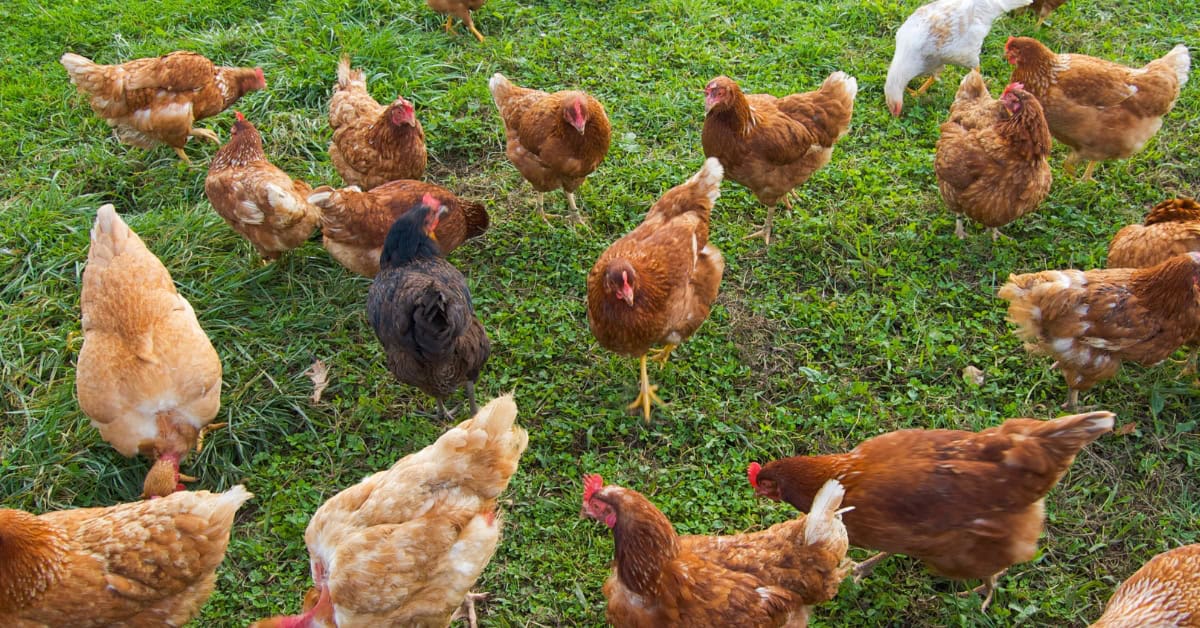
If you care about steady egg baskets and healthy birds, the search for the best chicken feed for laying hens is not just a quick online chore. It is a daily decision that affects shell strength, yolk color, and how confidently you can sell or serve those eggs.
Life around a flock can feel busy, and feed can look like just another bag to haul. In reality, the ration in that bag shapes the health and production of every hen in the coop.
We see that every day at Mule City Specialty Feeds in Benson, North Carolina, where fresh, locally milled layer feeds roll out of our human operated mill for flocks of all sizes.
Whether you keep a dozen hens behind the barn or manage a long row of layer houses, the right ration gives your birds the fuel they need to lay well and stay in condition.
In this guide, the focus stays on what truly makes a feed right for a laying hen, how to choose between mash, crumbles, and pellets, and where Mule City layer feeds fit into a practical program.
By the end, a feed tag should feel less confusing and more like a helpful tool for matching hens to a ration that supports stronger shells, consistent lay, and a flock that looks as good as it performs.
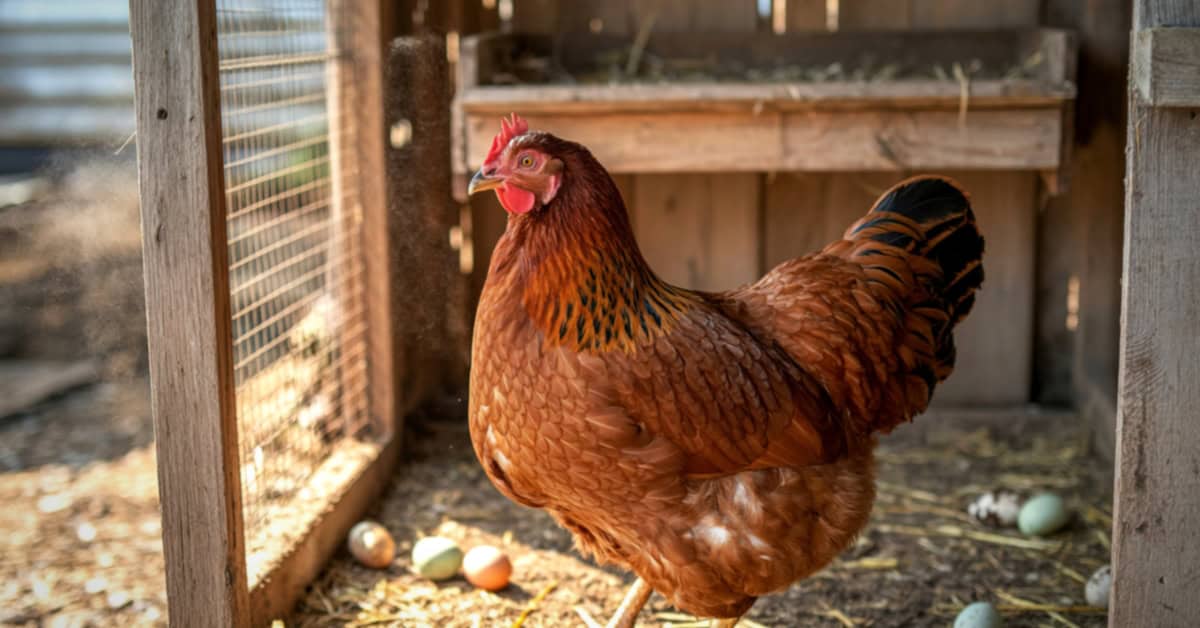
What Makes The Best Chicken Feed For Laying Hens
When you look at a bag of feed for layers, you really hold three things in your hands. There is egg number, shell strength, and the long term health of the hens that lay those eggs for you.
As a feed mill, every part of that equation shows up in real barns and backyards. When the ration hits the right balance, birds stay in good feather, combs stay bright, and a steady rhythm of eggs becomes part of your day.
Key Nutrients Every Laying Hen Needs
A good layer feed starts with a sound protein level. Most productive hens do well on a ration between 16-18% protein, which supports both egg production and feather condition.
Protein is more than a number on a tag. It comes from ingredients that carry essential amino acids, such as methionine and lysine, and these directly affect egg size, rate of lay, and feather growth.
For layers, calcium is just as important as protein. Every eggshell pulls calcium from the hen, and if the feed does not carry enough, her body pays the price first.
Layer feeds usually fall in the range of 3.5-4% calcium. That level supports strong shells and helps protect the hen’s bones over time, especially in long production cycles.
To round it out, a proper layer ration includes balanced phosphorus, trace minerals, and vitamins. These nutrients support:
• Shell formation and thickness
• Immune function and disease resistance
• Fertility in breeding flocks
• Overall energy and thrift
At Mule City, complete layer feeds are built around:
• Quality protein sources that match target percentages
• Correct calcium and phosphorus ratios for egg layers
• Vitamin and mineral packs tuned to poultry in our climate
Energy plays a quiet but vital role in this picture. Hens need carbohydrates and fats for warmth, daily activity, and the work of producing eggs. Grains like corn and small grains provide that fuel, and the grind is carefully controlled so birds can pick it up easily without sorting.
Crumble, Pellet, Or Mash: Choosing The Right Texture
The same basic formula can appear in different physical forms, and texture changes how birds eat, how much feed they waste, and how well equipment handles it. Some forms work better for small coops, while others suit larger houses and automated systems.
- Mash is the most basic format. It looks like a loose ground meal and works well if you like to mix in your own grain, scratch, or extras such as kitchen scraps in moderation.
- Crumble comes from breaking pellets into small, uniform pieces. Many backyard flocks and small farms prefer crumbles because hens pick them up easily and often waste less around the feeder.
- Pellets hold everything together in a firm, uniform bite. Larger flocks, commercial houses, and automatic chains or augers often run more smoothly with pellets, because birds cannot sort through the feed and the product flows better in equipment.
At Mule City, poultry feeds are milled on human operated lines, so grind and texture stay consistent from batch to batch. Consistency makes it easier to predict intake and performance for both small and large flocks.
If birds leave fines behind or scratch feed onto the floor, the ration may be too powdery for that flock or feeder style. Shifting to a crumble or pellet can often reduce waste and support more uniform intake.
Layer Feed Versus All Flock: When To Use Each
Feed bags at the store carry many labels. Some say layer, some say all flock, others say grower or starter, and each plays a different role in your program.
A true layer feed is designed for birds that are already laying or close to lay. It carries elevated calcium and usually includes higher protein.
Pullets typically move onto a layer ration around 16-18 weeks of age, or when the first small pullet eggs appear. If a high calcium feed starts too early, young birds take in more calcium than their growing bones and kidneys comfortably handle.
An all flock or general poultry feed carries less calcium and can suit mixed groups. That type of ration works well if you keep:
• Roosters with layer hens
• Ducks, geese, or other waterfowl along with chickens
• Pullets that have not started to lay
• A mix of meat birds and layers on the same ground
With an all flock feed, you can set out a separate pan of free choice oyster shell or a dedicated calcium supplement for actively laying hens. Most hens learn to balance their own intake and pick up calcium as they need it.
Around the mill, both systems appear in real farm programs. Some customers use a dedicated Mule City complete layer feed for birds in lay and a lower calcium poultry grower for young stock, while others run a single all flock style base and manage calcium on the side.
The key is to match calcium level and protein content to the age and stage of the birds in front of you. Growing birds need protein and balanced minerals, while mature layers need protein plus more calcium.
Mule City Specialty Feeds offers free local delivery on select bulk orders and custom feed blend consultations to help match rations to each farm’s setup.
To discuss flock size, housing, and production goals, call us or come see us at Mule City Specialty Feeds. A conversation about feed can help your birds receive the best chicken feed for laying hens for your farm, built on fresh milling and local experience. Get in touch at at (919) 894 3626 or contact us online.
Mule City’s Fresh, Local Layer Feeds For Productive Flocks
In Benson and across surrounding North Carolina counties, poultry feed has to stand up to real weather and real farms. Heat, humidity, and changing pasture conditions all influence how hens respond to a ration.
Mule City mills poultry feeds to match those conditions. Diets are kept practical and grounded in what works on the ground, whether birds live in backyard coops, mobile houses, or larger commercial barns.
Complete Layer Feeds For Backyards And Homesteads
Our complete layer feeds are designed as stand alone rations. When hens receive the correct amount each day, they get:
• Adequate protein for steady lay and good body condition
• Enough calcium to support consistent shells and strong bones
• A full complement of vitamins and trace minerals
• Energy that matches realistic activity levels and climate
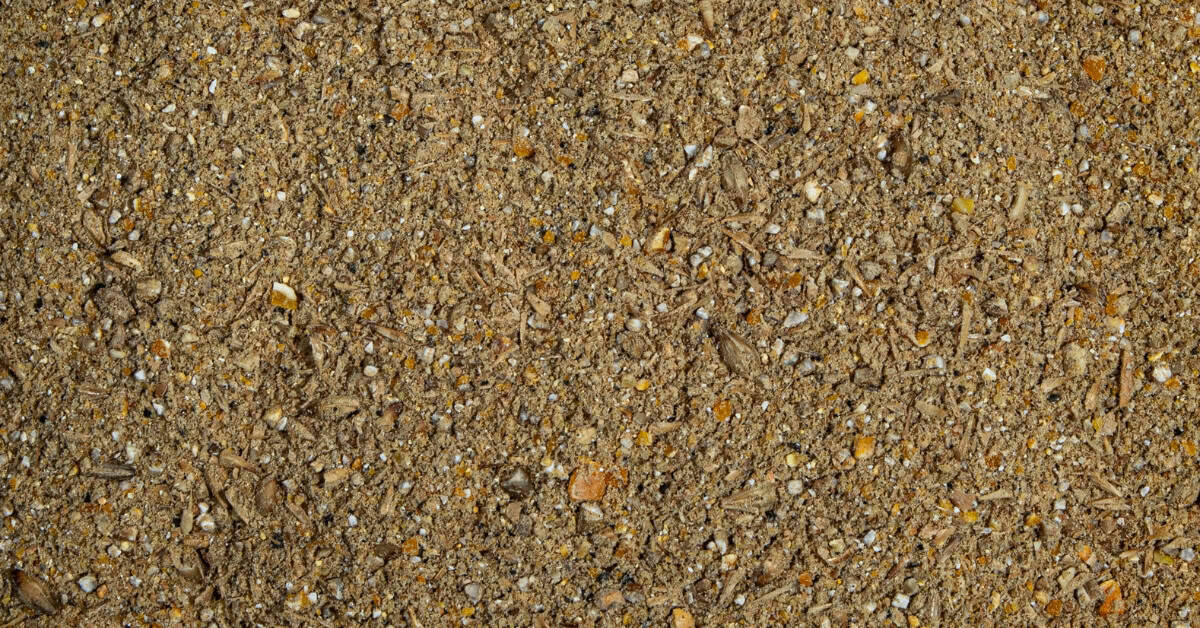
Many small farms and homesteads in our area choose a 16% protein layer crumble. This feed offers a balance between performance and cost, and the crumble format keeps feeding simple for family members and farm helpers.
For flocks that come through molt, heat stress, or a hard season, an 18% layer ration can support faster recovery. That bump in protein helps rebuild feather cover and maintain egg size when birds are under pressure.
Because Mule City mills locally and serves a tight radius, feed does not sit long on trucks or in distant warehouses. Freshly milled feed tends to hold vitamin activity and fat quality better, and flock condition often reflects that freshness.
Non GMO And Specialty Poultry Feeds
Many homesteaders and small farms now market eggs based on how birds live and what they eat. Customers at farm stands and markets often ask about the type of feed that supports those flocks.
To support that style of production, Mule City produces Non GMO poultry options so layers can stay in line with farm labels and values.
Non GMO feed still needs to hit all the same nutrition marks, so the focus stays on balanced protein, energy, and minerals, just with a different ingredient base.
Non GMO layer feeds pair especially well with:
• Direct to consumer egg sales at farm stands or markets
• On farm stores and coolers
• Community supported agriculture programs that highlight local production
In addition to layer rations, poultry starter and grower feeds are also milled so flocks can move through every stage on a consistent program. Chicks that grow on steady nutrition tend to transition into layer feed more smoothly, which helps support long term production.
Birds that spend a lot of time on pasture still need a complete feed. Forage and insects add variety and some nutrients, but the base ration carries the main load that keeps egg numbers steady through thin grass and seasonal changes.
Feed Solutions For Larger Flocks And Commercial Layers
Stepping up from a backyard coop to a house full of hens changes the math. At that scale, small shifts in feed quality or consistency can show up quickly in egg counts and health records.
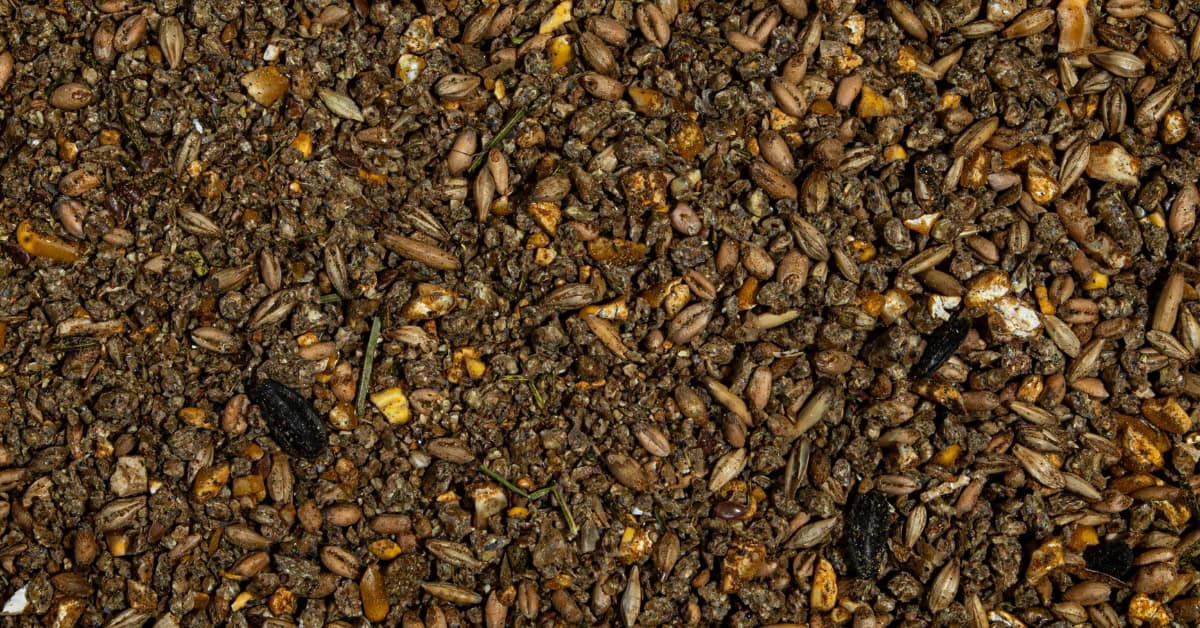
Mule City works with farms that need bulk loads, custom grinds, and predictable performance from one delivery to the next. For those operations, a well formulated layer pellet or crumble supports:
• Uniform intake across many birds
• Less segregation of ingredients in bins and augers
• Reduced fines and feed waste
• Clear tracking of feed conversion per dozen eggs
Commercial and expanding farms often fine tune protein and energy to match bird genetics and housing. With a dedicated layer formula in place, it becomes easier to watch egg counts, shell quality, and body weight, then adjust management with solid data.
Many diversified farms run layers alongside cattle, hogs, or small ruminants. Mule City and Banks Mill Feeds both support that approach, so multiple species can draw from one local mill while each ration remains species specific and grounded in sound nutrition.
How Mule City Supports Different Types Of Poultry Keepers
Every farm that pulls into the mill looks a little different. Some trucks carry small orders for backyard coops, while others load for multi house operations, but layer nutrition matters across that whole range.
By focusing on practical, science based formulas and local ingredients, Mule City works to keep feed simple and reliable. That gives you more room to focus on housing, health, and the way eggs leave your farm or homestead.
Local Farmers And Ranchers: Fresh Feed, Reliable Supply
Local farmers and ranchers around Johnston County, Wake County, and nearby communities often juggle many species. Hens may share the same lane with cattle, goats, or sheep, and time for fussing over feed details can feel limited.
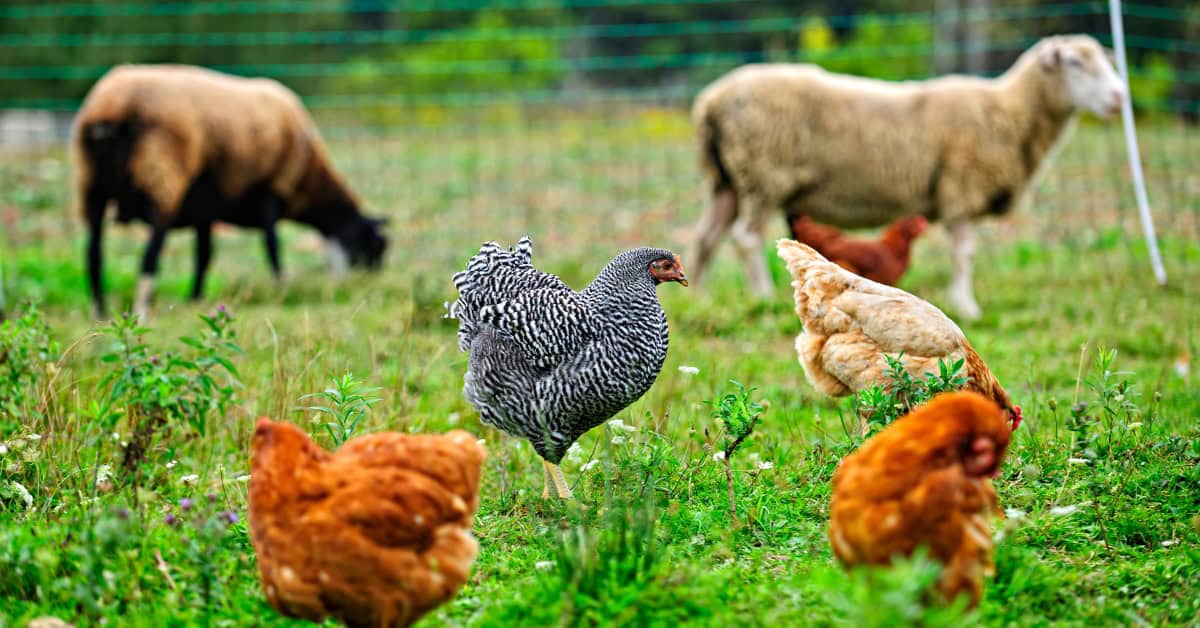
For that kind of operation, straightforward complete layer feeds help keep the poultry side of the farm simple. When a ration delivers the right protein, energy, and calcium, less time goes into troubleshooting thin shells or unexplained drop offs in lay.
Mule City’s location and regional focus also support supply reliability. Shorter transport distances and regular milling schedules help reduce the risk of long gaps in feed delivery during busy seasons.
For farmers who prefer to support local businesses, buying from a nearby mill also keeps more of that spending inside the agricultural community. That local loop helps sustain the same rural economy that your farm serves.
Homesteaders And Backyard Producers: Trustworthy Nutrition
Homesteaders and backyard producers often treat their birds like part of the family. The goal usually combines healthy eggs for the table, a bit of resilience in the food supply, and the simple pleasure of watching hens scratch in the yard.
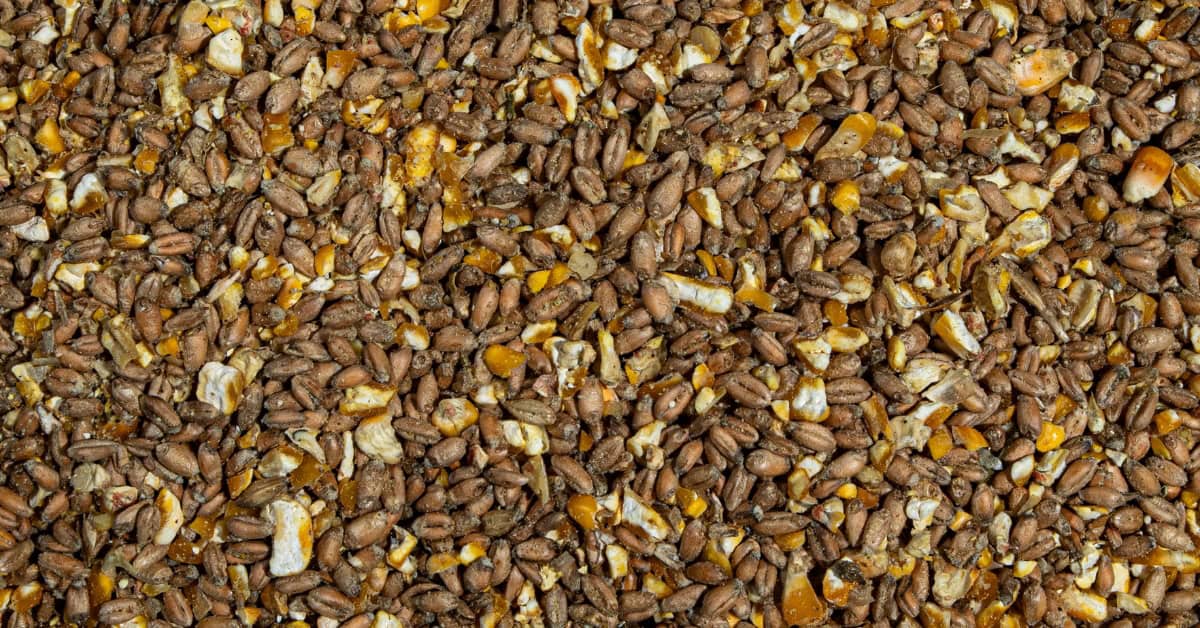
A complete Mule City layer crumble or pellet fits easily into that rhythm of life. The ration is designed to let you fill the feeder, keep clean water in front of the flock, and trust that the basics of nutrition are quietly covered.
Many homesteaders value clean labels and want feed that fits Non GMO or similar preferences. Mule City’s Non GMO poultry options help align bird nutrition with those values, which supports honest conversations with friends, neighbors, or customers who share those concerns.
Because the mill sits in the same climate as your birds, the people building these feeds understand the stresses your hens face. That local knowledge shapes decisions on vitamin levels, energy density, and ingredient choices.
Feed Retailers And Co-Ops: Consistent Product For Poultry Aisles
Feed retailers and co-ops carry the responsibility of serving a whole community of poultry keepers. When a customer walks into your store with questions about egg production or feather condition, strong feed on the shelf becomes part of your answer.
Mule City works as a regional partner for stores within a reasonable haul of Benson and the Banks Mill Feeds network. Freshly milled layer feeds give retailers a product with a clear story and practical performance behind it.
For retail customers, stocking local feed supports shorter supply chains and more responsive service. When your poultry aisle features feeds from a nearby mill, your store becomes the bridge between regional milling and neighborhood farms.
Consistent nutrition and labeling also matter for customer trust. When the same farmer or backyard keeper comes back month after month, a predictable feed formula helps you stand behind what you sell.
Large Agricultural Operations: Science Backed Efficiency
Large agricultural operations manage risk, labor, and production targets with careful attention. In that setting, feed becomes one of the biggest cost lines to watch and one of the most powerful tools for controlling performance.
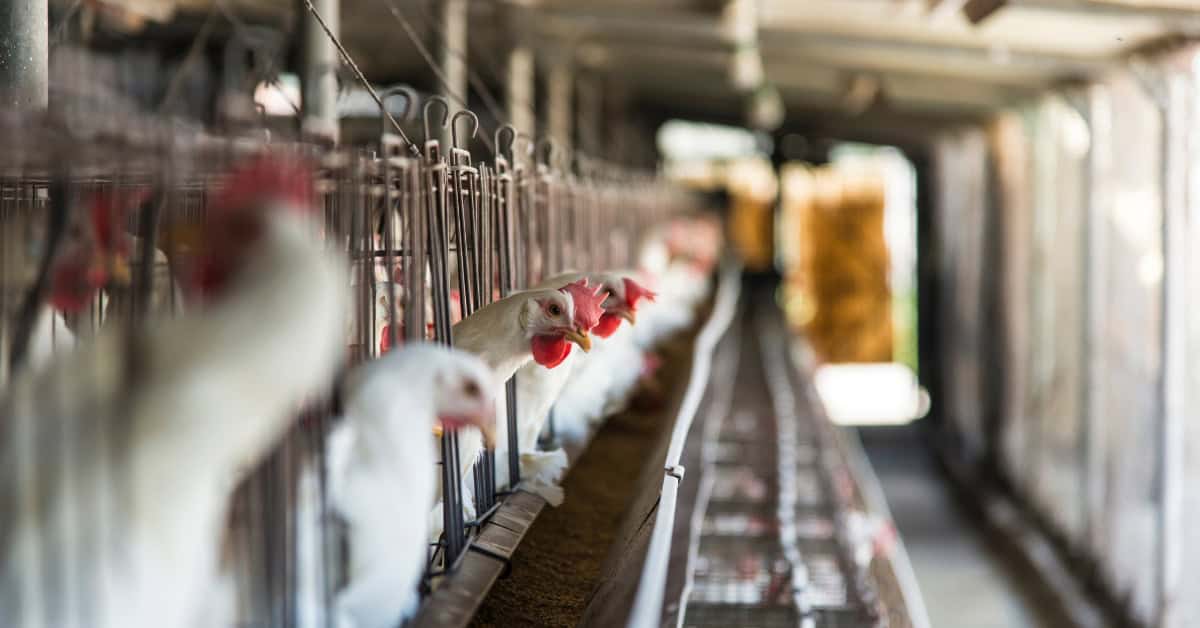
Science backed poultry formulas from a nearby mill help keep nutrition steady even when markets and seasons shift. Predictable feed quality makes it easier to track key numbers such as feed intake per bird, egg counts, and shell strength.
With Mule City and Banks Mill Feeds, large egg operations can align poultry rations with other species feeds across the farm. That coordination can simplify logistics while still respecting the nutritional needs of different animals.
By combining local ingredient knowledge, hands on production, and modern nutrition, Mule City aims to support efficient, humane egg production that can stand up to the demands of the Southeastern climate.
Bringing It All Together For Your Laying Hens
Hens work hard every day, quietly turning grain into eggs that feed families and support farm income. When their ration delivers balanced nutrition and consistent quality, shell strength, bird health, and egg numbers all benefit.
As a mill that serves North Carolina farms and the wider Southeast, Mule City Specialty Feeds sees the real world impact of good nutrition programs in barns, coops, and layer houses. Strong shells, steady lay, and good feather cover all begin with what goes into the feeder.
Honoring A Local Legacy While Feeding Modern Flocks
Mule City carries a long history in every bag that leaves the mill. The business started in 1956, and feed still moves across human operated lines that keep the team close to every batch.
Under current ownership and with the addition of Banks Mill Feeds, that heritage grows into a broader regional presence. Farmers and poultry keepers gain the benefits of both small town care and expanded capacity that can support growing operations.
Why This Nutrition Approach Works For Real Farms
Choosing a layer feed means selecting a formula that must fit your birds, your housing, and your goals. Mule City designs poultry feeds with that reality in mind, using ingredients and nutrient levels that match how flocks actually live.
The poultry line centers on:
• Protein levels that match layer production at different intensities
• Calcium and minerals tuned for shell strength and long term skeletal health
• Vitamin packs that support birds through heat, cold, and humidity
• Non GMO and ionophore free options for farms with premium or specialty markets
This approach helps keep nutrition straightforward and reliable. Farmers can then focus on management, health programs, and marketing the eggs that come out of the nest boxes.
Support Tailored To Your Kind Of Operation
Every farm brings its own mix of buildings, birds, and goals. Some days the mill loads feed for a backyard flock behind a subdivision home, then fills a truck for a commercial poultry site that ships eggs by the pallet.
For local farmers and ranchers, fresh complete layer feeds fold into broader livestock programs without extra complications. Nutrition for hens stays simple and dependable, while attention goes to calves, foals, or pasture decisions.
For homesteaders and backyard producers, Non GMO and complete poultry feeds support both family health and peace of mind. Birds stay on sound rations, and egg baskets tell a story that matches the household’s values.
For feed retailers and co ops, consistent layer feeds from a regional mill help build long term customer trust. Store aisles connect local milling with local poultry keepers, and reliable formulas encourage repeat visits.
For large agricultural operations, science based formulas and bulk delivery support efficient production. With steady feed quality in place, managers can track performance and make informed decisions for the whole flock.
Ready To Talk About Feed For Your Layers?
For anyone who wants to fine tune what goes in front of laying hens, support is close at hand. Mule City Specialty Feeds offers free local delivery on select bulk orders and custom feed blend consultations to help match rations to each farm’s setup.
To discuss flock size, housing, and production goals, call us or come see us at Mule City Specialty Feeds. A conversation about feed can help your birds receive the best chicken feed for laying hens for your farm, built on fresh milling and local experience. Get in touch at at (919) 894 3626 or contact us online.