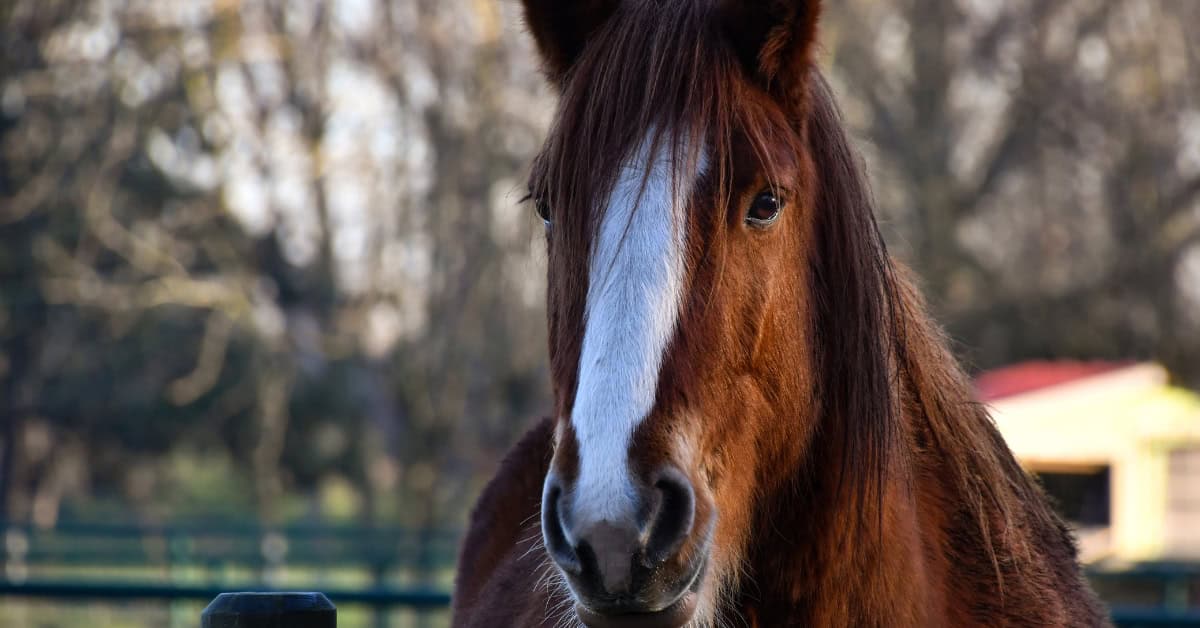
Ionophore free horse feed is more than just a label on a bag, it is a real layer of protection for your horses. When you care for animals every day, you feel the weight of every choice you make, especially what you pour into the feed bucket.
Ionophores are common in cattle and poultry feeds, but horses do not tolerate them well at all. Even a small amount can create serious health problems, so it pays to understand exactly what goes into your feed and how it is made.
If you run a busy performance barn, a small family farm, or a mixed operation with multiple species, you juggle a lot of moving parts. Clear information about ionophore free feed helps you lower risk, protect your horses, and keep the whole farm running smoother.
In this blog, you walk through what ionophores are, why they matter so much for horses, and how feed choices affect health and performance. The goal is simple, give you practical, grounded knowledge so you can feed with confidence, whether you care for one backyard gelding or a barn full of equine athletes.
The Case For Ionophore Free Horse Feed
What Are Ionophores And Why Are They Used
Ionophores started as a tool for cattle and poultry producers who wanted better feed efficiency. They help certain livestock convert feed into gain more smoothly and can support gut health in those species.
You often see ionophores in rations for:
- Beef and dairy cattle
- Broilers and layers
- Some goat and sheep programs
In those animals, ionophores can make sense when used correctly. The problem begins when the same mill handles both ionophore feeds and horse feeds without strict separation and careful cleaning.
Cross contamination does not always happen from big mistakes. Sometimes it comes from small things, like leftover dust in an auger or a tiny amount of premix in a shared bin.
For horses, those tiny amounts are not tiny at all. They can be enough to create a real health emergency.
Why Horses Are So Sensitive To Ionophores
A horse’s body reacts to ionophores in a much harsher way than a cow or a chicken. The dose that supports gain in cattle can be deadly for a horse.
Ionophores harm:
- Heart muscle
- Skeletal muscle
- The horse’s ability to move oxygen and energy through the body
Signs of ionophore toxicity can show up in many ways. You might see:
- Weakness or reluctance to move
- Stumbling or poor coordination
- Rapid or irregular heart rate
- Heavy breathing or difficulty catching breath
- Loss of appetite and colic like discomfort
- Sudden collapse in severe cases
Some horses survive exposure but never perform the same. Heart or muscle damage can linger, especially in horses that work hard or compete.
The most frustrating part is that ionophore exposure often comes as a surprise. You think you are feeding correctly, yet a contaminated batch slips into the routine.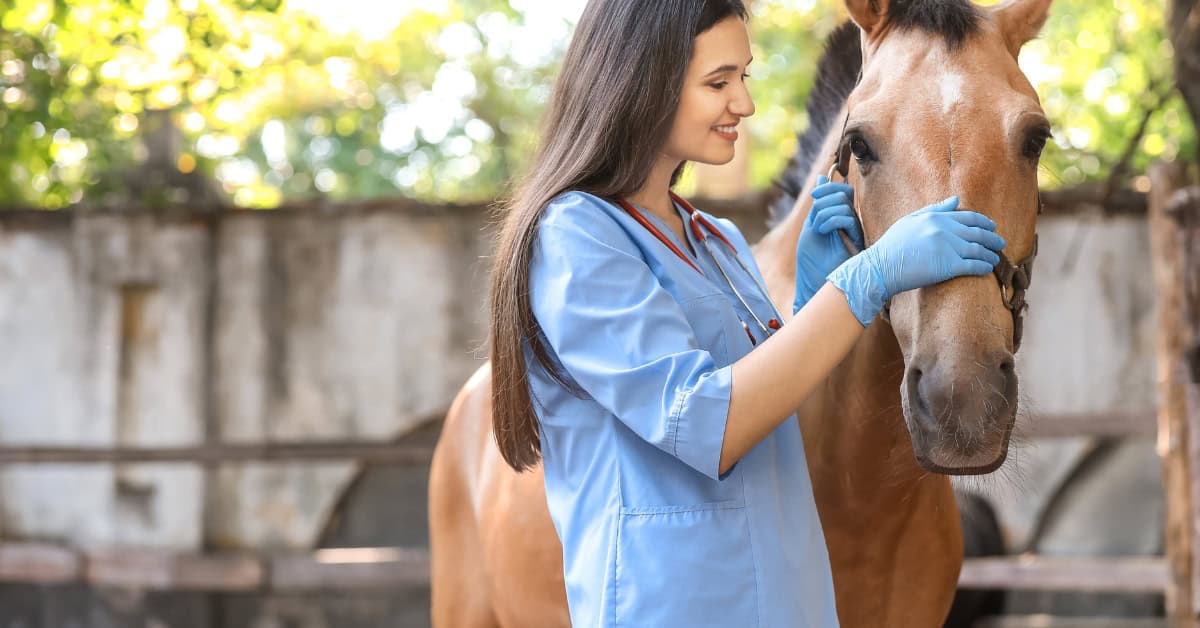
How Accidental Exposure Happens On Real Farms
On a busy farm or in a full boarding barn, you juggle a lot of different feeds. Horses might share space with cattle, goats, sheep, or poultry, especially in North Carolina and across the Southeast.
Here are a few common risk points you might recognize:
- A horse steals from a bunk or trough meant for cattle.
- Buckets or scoops are used for more than one species without being fully cleaned.
- Bags look similar, and someone grabs the wrong one in a hurry.
- A mill runs cattle feed with ionophores, then switches to horse feed without complete cleanout.
Even with careful routines, real life gets busy. You have help coming and going, deliveries arriving late, and evening chores done in the dark.
That is exactly why ionophore free horse feed matters so much. Removing ionophores from the formula and controlling production reduces the chance that one small slip turns into a major problem.
Health And Performance Benefits Of Ionophore Free Diets
When you choose ionophore free feed for your horses, you lower one of the biggest silent risks in their diet. You do not see ionophores in the bucket, so the only real protection comes from how the feed is made and what ingredients go into it.
For everyday horses, ionophore free feed supports:
- Safer long term heart and muscle function
- A lower chance of mysterious weakness or sudden crashes
- More predictable responses to work and weather stress
For performance horses and equine athletes, the stakes feel even higher. You ask these horses to give you everything in the arena, on the track, or on the trail.
A clean, ionophore free ration helps you:
- Support consistent energy without strange highs and lows
- Protect recovery after hard work
- Reduce the risk of hidden damage that only shows up under stress
You also gain what might matter most on a busy farm. You gain peace of mind.
You know that if someone grabs the right bag or bin, they are not accidentally feeding a horse a cattle product that contains ionophores. That peace of mind lets you focus on training, breeding, or simply enjoying your horses.
Ionophore Free Horse Feed On Different Types Of Operations
Local Farmers And Ranchers Managing Mixed Herds
If you run cattle, goats, sheep, poultry, and horses on the same place, you live in the world of mixed everything. You share barns, pens, lanes, and often feed rooms.
In that kind of setup, ionophore free horse feed acts like a safety anchor. You still need good habits, but the feed itself no longer hides this particular risk.
You can protect your horses more by:
- Storing horse feeds on a separate pallet or in a separate room
- Using clearly labeled cans or bulk bins for each species
- Color coding scoops and buckets for different animals
- Training every helper to double check feed tags before they pour
Horses often roam closer to the house or the barn. Cattle and other stock might eat in fields and lots that horses also use.
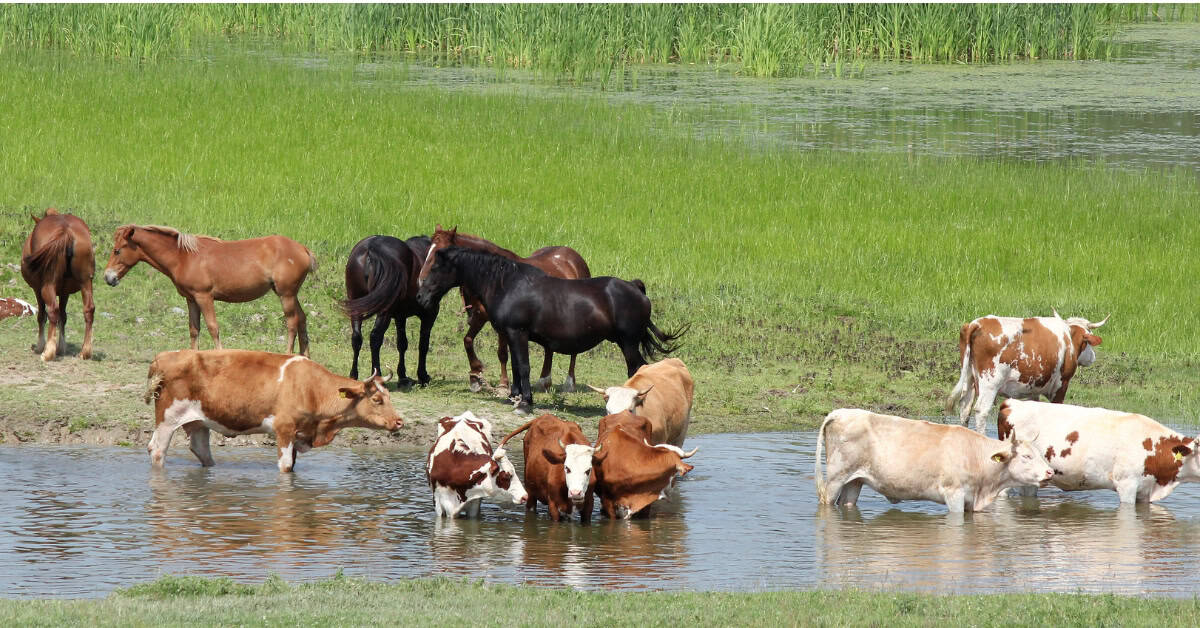
When you keep ionophores away from anything a horse might nibble, the whole farm feels safer. That safety matters just as much as daily gain or milk yield.
If you want to walk through your current ration, compare labels, or look at ionophore free and Non GMO options, we are here to help.
We offer free local delivery on select bulk orders and custom feed blend consultations when you need something tailored to your farm, barn, or store.
Call Mule City Specialty Feeds at (919) 894 3626 or get in touch online to talk with a real person who understands horses, mixed operations, and life in North Carolina farm country. Together, a safer, smarter feeding plan can be built that fits your horses and the way you work every day.
Performance Horse Facilities And Training Barns
In a performance barn, every detail counts. You track shoeing cycles, training programs, show schedules, and veterinary visits.
Feed belongs on that same level of detail. If you board horses or run a training program, you also hold responsibility for horses that do not belong to you.
Ionophore free feed supports:
- Barn owners who must manage liability and risk
- Trainers who want consistent performance from week to week
- Horses that travel often and already face stress from hauling and new environments
Good feeding protocols help your staff stay organized. You can:
- Use clearly posted feeding charts with product names and amounts
- Keep horse feed away from any cattle or poultry feed stored on site
- Check new deliveries as they come in, before the first scoop goes out
When you remove ionophores from the picture, you narrow the margin for error. You still need routine and discipline, but the cost of a simple mix up stays much lower.
Homesteaders And Backyard Horse Owners
Homesteaders and small acreage owners usually care deeply about what they feed. You might raise your own eggs, grow a large garden, or prefer Non GMO grains.
For you, ionophore free horse feed fits into a larger picture. You want your animals to eat simple, honest ingredients that match your values.
You might not have a big, separate feed room. Your horse feed might sit right beside chicken feed, dog food, or garden supplies.
You can keep things safer by:
- Storing horse feed up off the floor and away from other species’ feed
- Labeling containers with large, bold writing
- Teaching kids and helpers which bins are horse only
If you switch your horse to a new ionophore free feed, do it slowly. Give the gut time to adjust by blending the old and new feed for seven to ten days.
Your horse tells you a lot through manure, attitude, and appetite. Keep an eye on those signs as you adjust, and you can fine tune the ration to fit your horse and your homestead.
Feed Retailers And Resellers
If you run a feed store or co op, you sit in the middle of all these decisions. Your customers count on you to sort through the noise and stock feeds they can trust.
Ionophore free horse feed gives you a clear story to share with:
- Boarding barns and trainers
- Hobby farms and homesteaders
- Mixed livestock operations that keep a few saddle horses or ponies
You can evaluate feeds more confidently when you ask a few key questions:
- Does this equine line stay free of ionophores from start to finish
- How does the mill prevent cross contamination with cattle and poultry feeds
- What tracking or lot control systems are in place if there is ever a concern
When you understand those answers, you guide your customers better. You also protect your own reputation as a trusted source for safe, consistent feeds.
Large Agricultural Operations With Horses On Site
Large farms often focus on hogs, poultry, or cattle. Horses still play a role as ranch horses, lead ponies, or family mounts near the main operation.
On those farms, ionophore feeds may move in bulk. Trucks might deliver feed straight into bins for high volume livestock.
That scale creates its own set of challenges. It also increases the value of a clearly separate, ionophore free feed program for horses.
You can:
- Use dedicated horse only bins or sealed containers
- Keep horse feed and ionophore feeds on different sides of the yard
- Train employees to recognize that horse feed is off limits for other animals and vice versa
Clear signage and simple protocols make life easier for everyone. They keep your horses safe while you still run an efficient, high output livestock operation.
Beyond Ionophore Free, What To Look For In A Quality Horse Feed
Freshness And Locally Milled Feeds
Once you know your horse feed is ionophore free, the next question is simple. Is it fresh and suited to your local conditions.
Fresh horse feed holds vitamins and fats better. It usually smells cleaner, tastes better to the horse, and supports a healthier gut.
Buying from a regional mill in North Carolina or the broader Southeast often means:
- Less time in transit and storage
- Formulas that match local hay types and common forage gaps
- A better handle on seasonal changes, such as hot humid summers or mild winters
You do not have to be a nutritionist to feel the difference. Horses often tell the story themselves when they clean up their feed and hold condition well.
Ingredient Quality And Non GMO Options
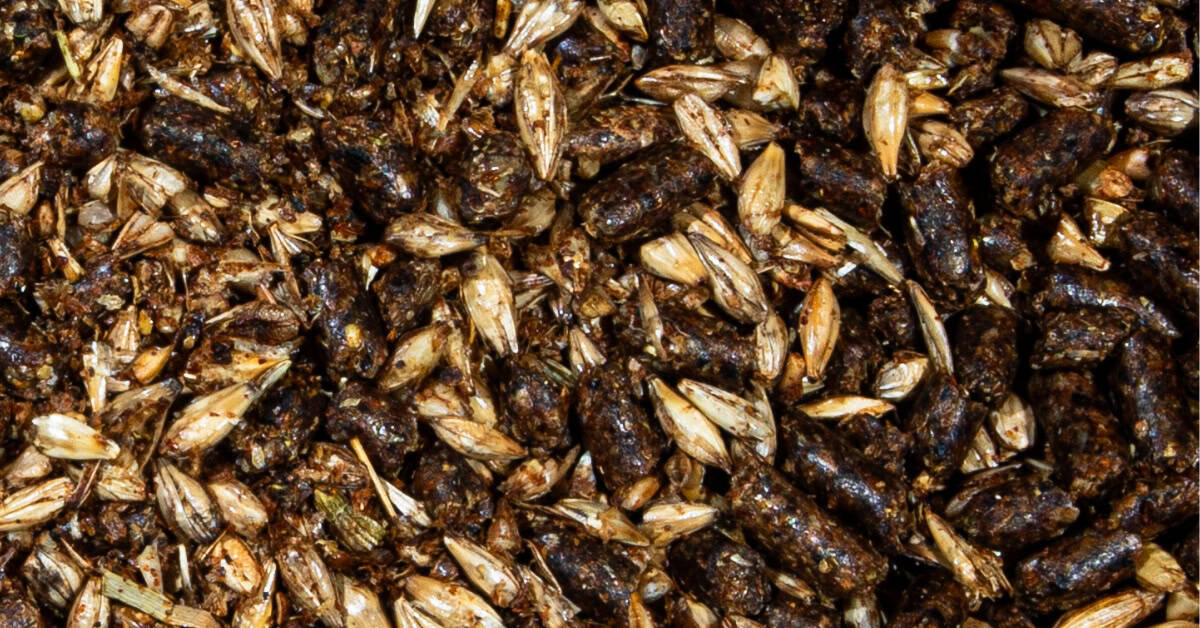
Ingredients set the foundation for every bag or bulk load you feed. You want more than a long list of grains and by products.
Good horse feeds usually include:
- A quality grain source, such as corn, oats, or barley, when extra calories are needed
- Digestible fiber sources, such as beet pulp or soy hulls
- Added fat from vegetable oils or rice bran for cooler energy
- A balanced vitamin and mineral package
Some owners also look for Non GMO options. They like the idea of grains that match how they manage their land and other animals.
Whether you choose standard or Non GMO, it helps to read the feed tag with a clear eye. Focus on:
- The crude protein, fat, and fiber levels
- The feeding directions for your horse’s weight and workload
- Any special notes for seniors, broodmares, or easy keepers
Marketing language can feel overwhelming at first glance. The tag itself gives you the real story once you know what to look for.
Consistency, Customization, And Human Oversight
Horses feel changes in feed more than many people realize. A shift in ingredients or texture can upset the gut or make a picky horse walk away.
Consistency matters most for:
- Performance horses in steady work
- Horses with metabolic issues such as insulin resistance
- Senior horses that rely on feed when teeth no longer do the job
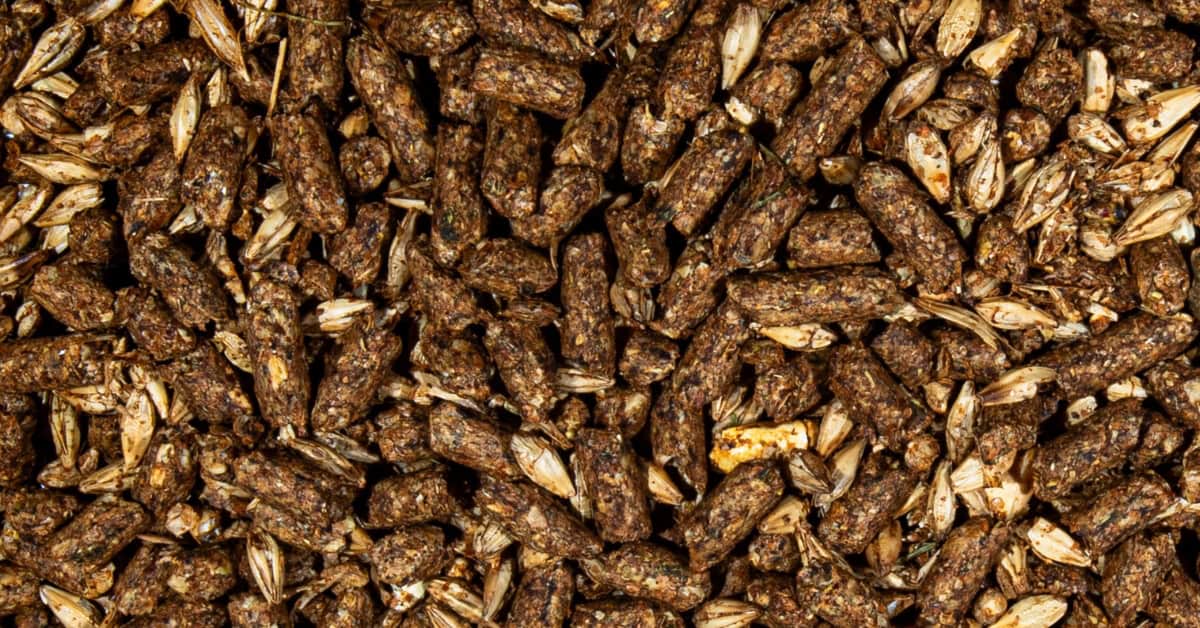
Some mills use more human oversight on the production line. This can reduce certain types of mistakes and allow workers to spot issues before a batch goes out.
In some cases, barns and larger farms work with mills to create custom feed blends. These blends can match specific needs for a training stable, a broodmare herd, or a facility with a high number of lesson horses.
Customization is not just for elite programs. Any operation with clear goals and consistent numbers can benefit if it fits the scale and logistics of the mill.
When you combine ionophore free production with strong quality control and clear communication, you create a feed program that feels steady, safe, and predictable.
That stability helps your horses perform, recover, and stay comfortable through the seasons.
Keeping Your Horses Safer With Smarter Feed Choices
Supporting Your Farm, Barn, Or Homestead
You juggle a lot each day, from pasture checks to feed runs to late night barn chores. Choosing ionophore free horse feed gives you one less thing to worry about and helps you protect the animals that carry so much of your daily load.
As a local feed mill with deep North Carolina roots, we understand the realities of mixed herds, busy boarding barns, and small homesteads.
We work to keep feeds fresh, consistent, and clear on the tag, so you can match the right ration to each horse with confidence.
How We Help Different Horse Operations
You do not run the same kind of place as the next farm down the road, and your feed program should reflect that. We support:
- Local farmers and ranchers who manage cattle, goats, sheep, poultry, and horses on the same property and want simple, safer feed routines.
- Performance horse facilities that need steady, ionophore free nutrition to back up training, travel, and competition schedules.
- Homesteaders and backyard producers who care about Non GMO options, local ingredients, and clean labels.
- Feed retailers and resellers who want a reliable, community rooted mill partner behind the bags on their shelves.
- Large agricultural operations that run hogs, cattle, or poultry at scale and still want clear, separate, horse safe feeds on site.
We stay focused on freshness, locally sourced grains, and human operated production lines. That combination helps us reduce mistakes, keep quality high, and protect the horses that live and work alongside your other livestock.
Why A Local, Community Focused Mill Matters
When you work with a regional mill, you are not just buying feed. You are leaning on people who know Carolina forage, Carolina weather, and the way Carolina farms really run.
We understand that your hay might come from down the road and your horses live in hot, humid summers and mild winters. That local knowledge shapes how we think about energy levels, fiber sources, and the needs of horses that live in this region year round.
By choosing a small town, community centered mill, you also keep more of your dollars working in local agriculture. You support local jobs, local grain growers, and a regional network that understands your world instead of guessing from a distance.
Ready To Talk Through Your Horse Feed Program
If you want to walk through your current ration, compare labels, or look at ionophore free and Non GMO options, we are here to help.
We offer free local delivery on select bulk orders and custom feed blend consultations when you need something tailored to your farm, barn, or store.
Call Mule City Specialty Feeds at (919) 894 3626 or get in touch online to talk with a real person who understands horses, mixed operations, and life in North Carolina farm country. Together, a safer, smarter feeding plan can be built that fits your horses and the way you work every day.