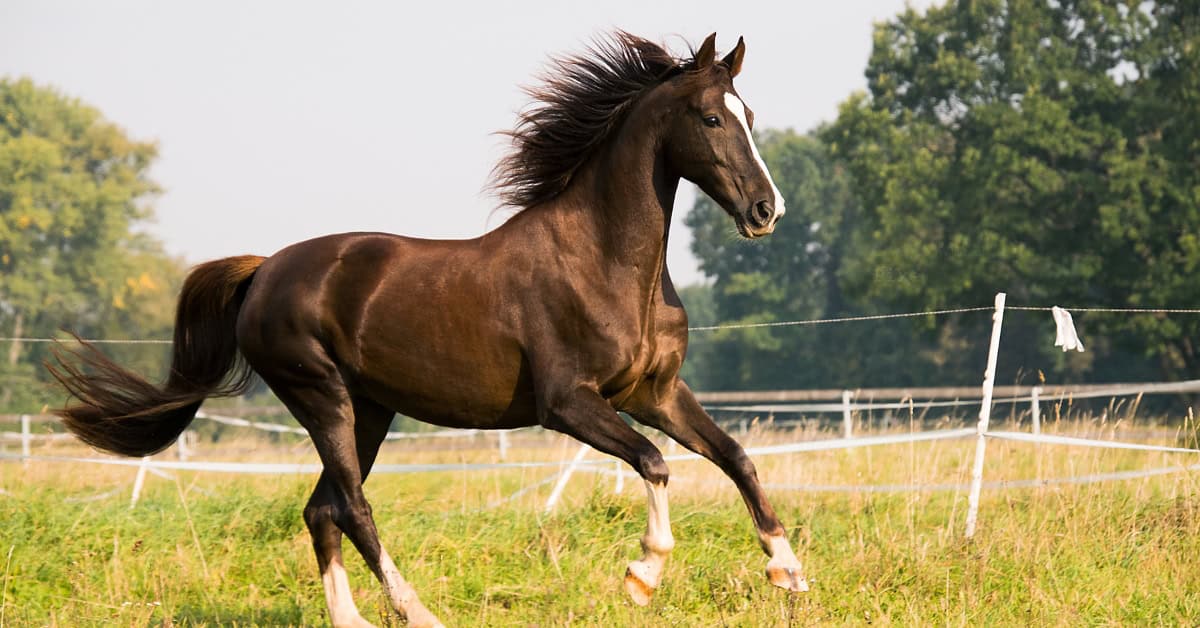
If your horse struggles with energy spikes, digestive issues, or behavior that feels unpredictable, low-starch horse feed may be the solution you need. By focusing on feeds that limit starch, you give your horse steadier energy, better gut health, and a calmer outlook.
Think about what happens when starch overload hits:
- Digestive upset that leaves your horse uncomfortable
- Behavior swings that make training frustrating
- Metabolic strain that can quietly impact long-term health
With the right feed choice, you protect your horse from these common issues while supporting steady performance and a more relaxed temperament. You set the stage for a horse that thrives in both body and mind.
Low NSC Value vs Low-Starch Diet: What’s the Difference? Why Does it Matter?
What NSC Really Means
When you see NSC value on a feed tag, it refers to the combined percentage of starch and sugar. A low NSC value means the feed puts less strain on your horse’s digestive system and metabolism.
For horses prone to laminitis, insulin resistance, or metabolic issues, keeping NSC low is critical. In North Carolina’s hot summers, when pastures often spike in sugar content, managing NSC in feed becomes even more important.
How a Low-Starch Diet Differs
A low starch diet focuses specifically on cutting back starch levels in a horse’s feed. While NSC includes sugar, low starch means you’re paying close attention to the grain-based ingredients that can overwhelm your horse’s system.
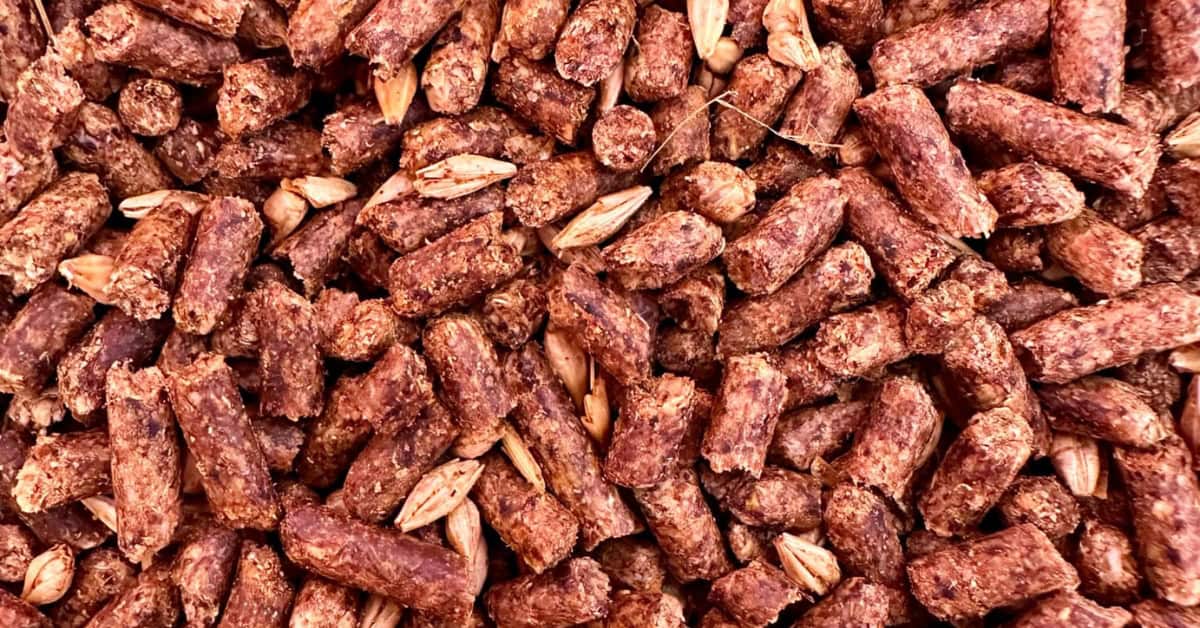
You might use high fiber ingredients, fat sources, and carefully chosen supplements to replace what starch usually provides. This approach ensures your horse gets steady energy without the risks tied to high-grain rations.
Why Both Matter for Your Horse
It helps to think of it this way:
- Low NSC targets the big picture of sugar and starch combined.
- Low starch narrows in on starch-heavy grains like corn or oats.
- Both approaches reduce digestive stress and support a calmer horse.
When you balance for NSC and starch, you set your horse up for steady performance and improved long-term health. This balance matters for working horses in Johnston County just as much as it does for backyard companions grazing the pastures.
The Bottom Line for Horse Owners
Choosing feed with either a low NSC value or a low starch diet isn’t just about avoiding problems. It’s about giving your horse nutrients that support energy, focus, and overall wellness every single day.
When you pay attention to both, you avoid the sugar spikes that come from lush North Carolina grasses and the digestive upset from grain-heavy rations. That’s how you keep your horse thriving through every season.
Why Consider a Low-Starch Diet for Horse Feed? What Would They Eat Instead?
Understanding Why Low Starch Matters
When starch and sugar dominate a horse’s diet, you often see energy spikes, weight challenges, and digestive stress. A low starch feed keeps starch levels in check so your horse gets steady energy without the rollercoaster.
Horse owners around Benson, NC, know that humid summers make managing weight and energy even tougher. A diet built on fiber ingredients and balanced nutrients eases the strain on your horse year-round.
What Horses Eat Instead of Starch-Heavy Grains
Instead of relying on cereal grains that raise the NSC value, your horse thrives on feeds that highlight:
- Alfalfa meal for protein and digestible fiber
- Soybean hulls that support gut health
- Rice bran to provide calories with added essential fatty acids
- Yeast culture and saccharomyces cerevisiae to support digestion
These choices give your horse calories without overloading on starch. They also provide the minerals and nutrients needed for a complete diet.
Key Ingredients That Support Health
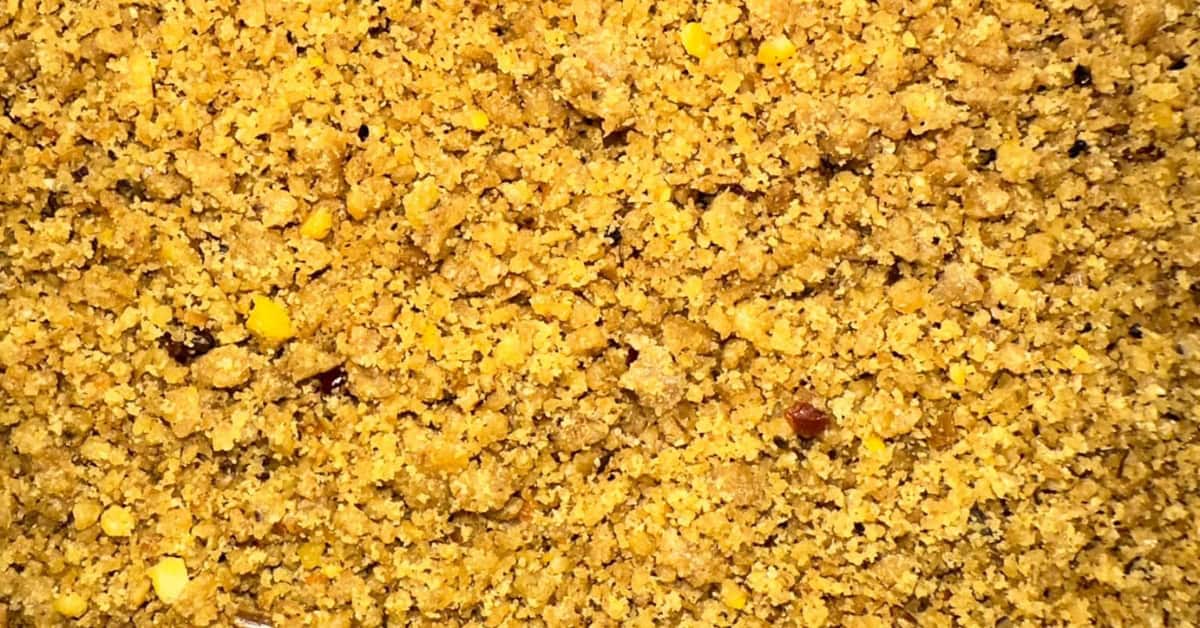
A well-formulated low-starch and low-NSC horse feed blends major ingredients that build a solid nutritional base. You often see:
- Calcium carbonate and magnesium oxide to keep minerals balanced
- Dicalcium phosphate for bone strength
- Copper sulfate, zinc sulfate, and manganese sulfate to support enzyme activity
- Vitamin E supplement, folic acid, niacin supplement, thiamine mononitrate, and pyridoxine hydrochloride for vital metabolic functions
Some feed manufacturers also include selenium yeast, cobalt proteinate, and choline chloride to round out nutrients and provide strong antioxidant support.
Adding the Right Supplements
Sometimes horses need more than the base ration. Ration balancers, yeast extract, and enterococcus faecium fermentation product help maximize feed efficiency.
Elevated levels of crude protein or fat can be added if your horse needs to gain or maintain weight.
Supplements with fatty acids and vitamins boost quality and provide long-term support for performance and recovery. Clean water, forage, and a balanced ration together create the total diet your horse depends on.
The Local Advantage in Benson
In North Carolina’s hot and often unpredictable weather, managing nonstructural carbohydrates is critical. Choosing a low-starch feed tailored to your horse helps reduce stress and keeps energy steady through long training days, humid summers, and cool winters.
Your horse gets the best of both worlds: calories and nutrients from fiber and fat instead of grain-heavy starch. That balance supports healthier digestion, calmer behavior, and sustainable performance in the climate you deal with every day.
Mule City Specialty Feeds Creates a Balanced Diet for Your Horses
Our Low Starch Options
At Mule City Specialty Feeds, we design feeds that keep starch levels low while still supporting steady energy.
You find choices like our Super Complete Horse Feed, Maximum Prime Equine Feed, and M2 Pro Textured Horse Feed, each carefully blended to help maintain a healthier gut and calmer behavior.
We also offer specialized blends such as KY Elite Performance Feed and Maximum Energy Equine Feed, which use high-fat and fiber ingredients instead of starch-heavy grains. With these options, you provide calories without spiking sugar or starch.
Ingredients That Make the Difference
Our formulas replace high-starch cereal grains with fiber ingredients and fat sources that support digestion and long-term performance. You’ll see:
- Alfalfa hay, alfalfa meal, and beet pulp for digestible fiber
- Rice bran and soybean hulls to provide calories with lower NSC value
- Flaxseed and soybean oil for essential fatty acids
- Yeast culture, saccharomyces cerevisiae, and enterococcus faecium fermentation product for digestive support
We also include minerals like calcium carbonate, magnesium oxide, copper sulfate, zinc sulfate, and manganese sulfate to keep your horse balanced.
Vitamins such as vitamin E supplement, folic acid, niacin supplement, and thiamine mononitrate ensure your horse’s diet stays complete.
Why This Balance Matters
When you choose a low-starch feed, you give your horse energy from fiber and fat instead of sugar and starch. That combination supports steady performance, calmer behavior, and long-term health, even in the humid conditions of North Carolina.
With our custom blending capabilities, you also get the flexibility to match feed precisely to your horse’s needs. You have the confidence that every bag is ionophore-free and backed by decades of nutritional expertise.

Custom Blends Made for Your Barn
Every horse is different, and sometimes a standard formula isn’t enough. At Mule City Specialty Feeds, we work directly with you to create a feed based on your exact specifications.
Whether you want to adjust protein levels, balance minerals, or design a soy-free option, we’ll mix a ration that fits your horse’s diet perfectly.
This custom approach means you never settle for “close enough” when it comes to your horse’s health and performance.
Call Us Today
If you are ready to support your horse with feed that works, contact us at Mule City Specialty Feeds.
Get in touch with us at 919-894-3626 to talk about the right low-starch options for your barn today.