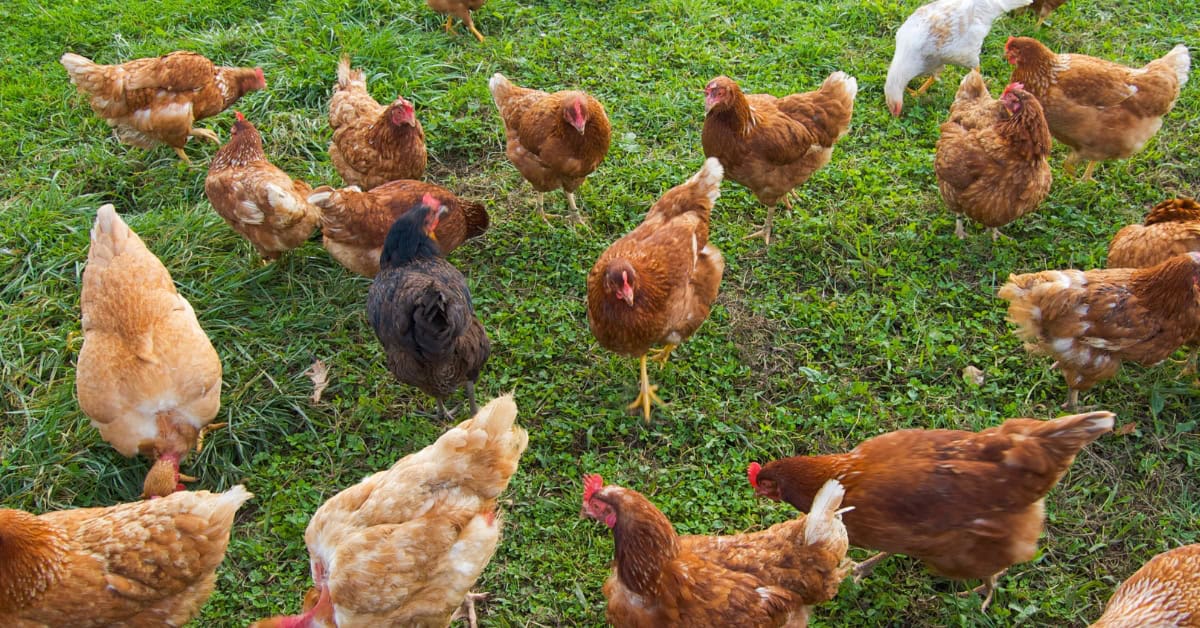
Non GMO chicken feed is on a lot of farmers’ minds right now, whether you manage a few backyard hens or a large poultry operation. You hear the term at the feed store, at the farmers market, and from customers who care about what goes into their eggs and meat.
Farmers want birds that stay healthy, perform well, and produce a product they feel proud to sell or serve at the table. Feed plays a huge part in that, and the choices made in the bin today show up later in the coop, on the balance sheet, and in a farm’s reputation across the community.
In this article, there is a clear, practical look at what non GMO feed actually means, how it compares to conventional and organic options, and where it can fit into a feeding program. It explains how feed choices affect flock health, egg and meat quality, and the way a farm story is shared with customers who ask smart questions.
The goal here is simple, to provide solid information, without hype, so every producer can decide what makes sense for their birds, their budget, and their market. Whether it is a small homestead, a performance barn with a few layers, a retail feed store, or a larger farm, this guide offers real world ideas that can go to work right away.
Understanding Non GMO Chicken Feed
When “Non GMO” Really Means Something In Poultry Feed
When “Non GMO” appears on a feed tag, it means the grains in that bag do not come from genetically modified crops. Corn, soy, or other grains may still be present, but those plants grow from non GMO seed varieties.
Most GMO use in feed traces back to a few very common crops. In poultry rations, the usual GMO grains are:
- Corn
- Soybean meal
- Cottonseed products
With non GMO chicken feed, those ingredients come from non GMO varieties instead of genetically engineered ones. The formula can still be balanced, fortified, and performance focused, but the grain source follows that non GMO standard.
Non GMO, Organic, And Conventional
Non GMO, organic, and conventional feeds sit in different places on the same spectrum. Many people blend these terms together, so it helps to separate them clearly.
Conventional feed usually includes:
- Ingredients from GMO crops
- Grain grown with standard fertilizers and crop protection products
- Added vitamins, minerals, and sometimes medications or coccidiostats
Non GMO feed usually includes:
- Grain ingredients from non GMO seed
- The same basic nutrition targets as a conventional ration
- The option to be medicated or unmedicated, depending on the product
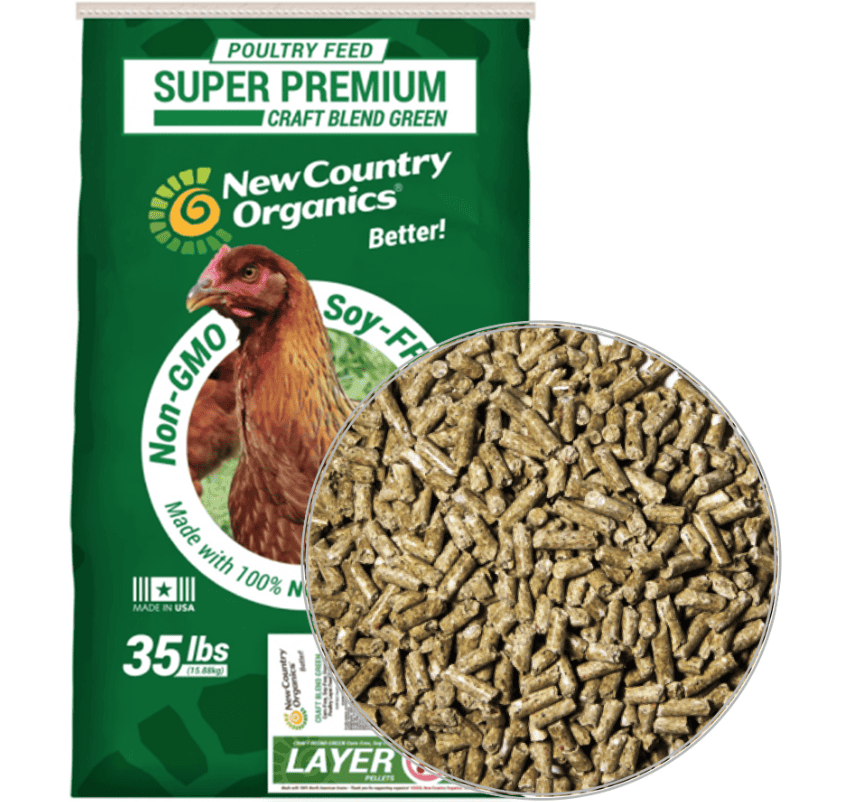
Organic feed usually follows stricter rules:
- Certified organic grains from non GMO seed
- No synthetic fertilizers or most conventional pesticides on the crop side
- No certain medications or additives that organic standards restrict

A simple way to think of it is that all organic feed is non GMO, but not all non GMO feed is organic. For many small farms and growing operations, non GMO sits in a middle zone that feels more reachable on price while still answering customer concerns.
Why Farmers And Homesteaders Choose Non GMO
More customers now ask how birds eat and what goes into their ration. People at farm stands and local stores want a story they can trust behind every dozen eggs or pack of chicken.
Non GMO chicken feed often lines up with that story and supports values such as:
- Transparency about ingredients
- Simple, recognizable grains
- Support for local mills and regional agriculture
Some producers choose it because they sell directly and want eggs or meat that stand out in a crowded market. Others simply feel better knowing the grain in their bins stays closer to how earlier generations raised birds, while still using modern nutrition science for balance and performance.
Health And Performance Benefits Of Non GMO Chicken Feed
Supporting Gut Health, Immunity, And Longevity
A good feed program starts in the gut. Healthy digestion helps birds handle stress, weather swings, and the normal ups and downs of farm life.
A well formulated non GMO ration still focuses on:
- Proper energy levels
- Balanced amino acids from quality protein sources
- Vitamins A, D, E, and key B vitamins
- Essential minerals like calcium, phosphorus, and trace elements
There is no instant magic just because a feed is non GMO. However, mills that offer non GMO rations often pay close attention to ingredient quality and freshness, which supports gut health and immunity over time.
Egg Quality, Meat Quality, And Market Appeal
When an egg is cracked and a strong shell and deep, rich yolk appear, that tells a story about genetics, management, and nutrition. The right ration helps make those results more consistent.
Non GMO feed, when balanced correctly, supports:
- Strong shells through proper calcium and vitamin D
- Yolk color through pigments in grains and added ingredients
- Consistent egg size through steady protein and energy levels
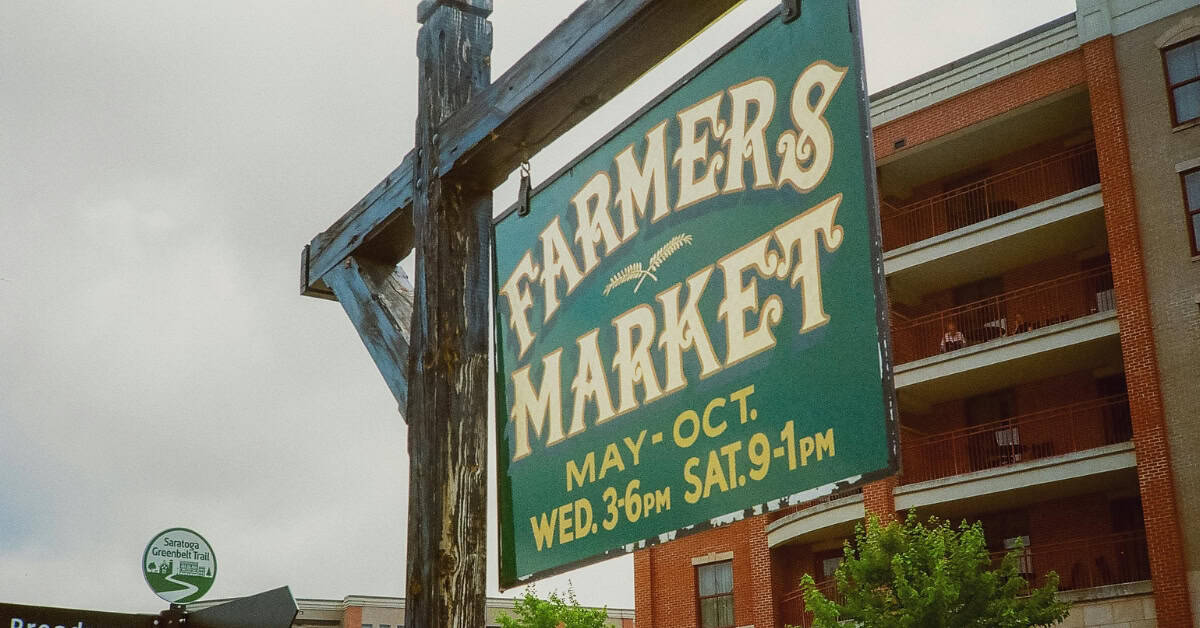
On the marketing side, “non GMO fed” can become part of how a farm describes its products. That detail matters at:
- Farmers markets
- Local grocery and specialty stores
- On farm stands and community supported agriculture boxes
People who care about feed choices often read labels closely and pay attention to farm signs. Non GMO feed provides one more honest detail to share about how birds are raised.
Feed Consistency And Performance For Growing Birds
Chickens thrive when their diet stays consistent and matches their stage of life. Chicks, broilers, pullets, and layers all need slightly different nutrition to do their best.
A consistent non GMO formula helps:
- Support steady growth on a broiler schedule
- Bring pullets into lay at the right time
- Maintain egg production without exhausting layers
Producers often watch simple performance markers such as weight at certain ages, feed conversion, and egg count per hen per week. Non GMO feed can meet those same benchmarks as conventional feed when the formula is well designed and milling is reliable.
Choosing The Right Non GMO Feed For Your Operation
Matching Feed Type To Bird Age And Purpose
Not every bird on the farm needs the same feed. Age, breed, and purpose all shape what should go into the ration.
Typical stages include:
- Starter, for chicks, with higher protein to support fast growth
- Grower, for growing birds as they approach maturity
- Layer, for hens in production, with more calcium for shells
- All flock, for mixed flocks, often with moderate protein and lower calcium
If ducks, turkeys, or other poultry share space with chickens, an all flock non GMO feed with separate oyster shell for layers can simplify chores. One base feed goes to the group, and laying hens pick up extra calcium as they need it.
Reading Feed Tags And Labels With Confidence
Feed tags can feel crowded at first glance, but they carry important information. With a little practice, anyone can read the basics without feeling overwhelmed.
Key parts of the tag include:
- The guaranteed analysis, which lists protein, fat, fiber, calcium, and sometimes lysine and methionine
- The ingredient list, which shows grains, protein sources, fat sources, and vitamin and mineral packs
- The feeding directions, which explain the stage and species the feed is designed for
For non GMO, the tag may show:
- A clear non GMO statement or logo
- Specific mentions such as non GMO corn or non GMO soy
Red flags include very vague ingredient terms, unusually low protein for the bird’s life stage, or no clear mention of which species the feed targets. Comparing two tags side by side often makes it clear which option provides more transparency.
Sourcing Fresh, Local Non GMO Feed
No matter how strong the formula looks on paper, freshness remains crucial. Vitamins can break down over time, and fats may lose quality if stored poorly.
Feed stays fresher when farmers:
- Buy volumes that can be used in about thirty to forty five days
- Store bags off the floor on pallets or shelves
- Keep the feed room dry and protected from pests
Working with a regional mill or local supplier often means feed spends less time on trucks and in distant warehouses. Shorter travel usually leads to more recent milling dates, which supports both performance and palatability in the coop or house.
Non GMO Feed For Different Types Of Farms
Small Farms And Homesteads, Balancing Values And Budget
On small farms and homesteads, every dollar counts. There is often a strong desire to do right by the birds and the land, while still keeping feed costs manageable.
Non GMO feed typically costs more than conventional feed, and the price gap changes with grain markets, order size, and distance to the mill. Many smaller producers look for ways to manage that gap without giving up their values.
Common strategies include:
- Buying feed by the pallet instead of single bags
- Partnering with neighbors to share a delivery or bulk order
- Using non GMO feed for layers or market birds and a simpler ration for non sale birds
For many homesteaders and small farms that sell eggs or meat directly, the extra feed cost is often balanced by higher product value and stronger customer loyalty. People tend to return to farms that match their food values and communicate clearly.
Larger Poultry Operations, Consistency, Supply, And Efficiency
On larger farms, consistency and supply often take center stage. Any change in ration or delivery timing can ripple through schedules and production targets.
When larger operations consider non GMO feed, they usually focus on:
- Reliable access to non GMO grain sources
- Consistent milling and delivery schedules
- Nutrition that meets performance targets at scale
Some operations design blended programs. They may use non GMO feed for specific branded lines or customer contracts, and conventional feed for other channels, which allows flexibility and better matching between cost and market price.
Feed Stores And Co Ops, Meeting Local Demand
Feed stores and co ops increasingly hear questions about non GMO feed from backyard flock owners, homesteaders, and local farms. Many customers bring in photos of labels or descriptions they saw at markets and want something similar from a trusted local counter.
Adding non GMO chicken feed to the mix helps retailers:
- Serve customers who want that option without sending them elsewhere
- Stand out from big chain stores that may only carry national brands
- Build deeper relationships by answering more detailed nutrition questions
Simple educational tools, such as clear shelf signs and staff who know how to read a feed tag, can make a major difference. When the differences between conventional, non GMO, and organic are explained in plain language, customers feel respected and more likely to return.
Ionophore Free And Non GMO On Multi Species Farms
Understanding Ionophores And Why Some Farms Avoid Them
Ionophores are additives used in some livestock and poultry feeds to help manage coccidiosis. They have real value in certain systems, but they raise serious concern around horses.
Even small amounts of ionophore containing feed can cause danger if a horse eats it by accident. This risk leads many performance barns and mixed species farms to prefer ionophore free poultry feeds.
Non GMO and ionophore free represent two different choices, but they often appear together in feed programs that focus on clean labels and cross species safety. When both matter, both should be checked on the tag.
Keeping Horses, Chickens, And Livestock Safe On One Farm
Farms that keep chickens near horses, goats, cattle, or sheep need a well organized feed room. Chickens are curious, but horses are often worse, and they will nose into any open bin or bucket.
Risk can be lowered when farms:
- Label every bin clearly
- Keep poultry feed out of reach of horses
- Clean up spills right away
- Choose ionophore free poultry feeds on equine properties
Combining ionophore free with non GMO can simplify the mental checklist for a busy producer. The chicken ration then aligns with farm values and helps protect other animals if they ever find a few stray mouthfuls.
How A Local Mill Supports Your Non GMO Feeding Program
Helping Match Non GMO Feed To Farm Goals
Choosing non GMO chicken feed means more than changing a label. It aligns the feed program with farm values, customer expectations, and long term plans for land and livestock.
A strong local partner can help match the right ration to the right birds, whether the farm keeps a few backyard layers or manages barns full of pullets and broilers. With practical guidance, birds stay on track with growth, egg production, and overall health while feed choices stay aligned with the operation’s goals.
Fresh, Locally Milled Options For Every Size Operation
Mule City Specialty Feeds mills feed for small homesteads, busy performance barns, regional retailers, and large farms across North Carolina and the Southeastern region. The feed feels local because it is local, with ingredients chosen for freshness, consistency, and reliable performance.
Human operated production lines keep real eyes on every batch, which matters when non GMO and ionophore free options are a priority. The team stays close to the process so farmers can stay close to their animals with confidence in each load that arrives.
Custom Blends And Real World Nutrition Support
Some farms need more than an off the shelf ration, especially with heritage breeds, niche markets, or complex combinations of species. In those cases, a one size approach rarely fits.
Mule City Specialty Feeds offers custom feed blend consultations so protein, energy, and minerals can be tailored to the exact setup. This kind of support helps balance budget limits with the performance and consistency that modern farms require.
Reliable Delivery And Community Focused Service
Feed must arrive on time, not just look good on paper. Schedules, labor, and animal health all depend on reliable supply and honest communication from the mill to the farm.
For qualifying orders, Mule City Specialty Feeds provides free local delivery on select bulk orders, which saves both time and fuel for busy producers. Farmers can keep their attention on animals, crops, and customers while feed moves where it needs to go.
Next Steps For Your Non GMO Chicken Feed Program
If it feels like the right time to strengthen a non GMO feeding program, Mule City Specialty Feeds is ready to help sort through options and choose what truly fits the birds and the market. Whether the need is a straightforward non GMO layer feed, a custom blend, or a thoughtful plan for multiple species, there is a local partner who understands the realities of Southeastern agriculture.
For more information or to talk through flock needs and goals, call Mule City Specialty Feeds at (919) 894 3626 and start a conversation about fresh, locally milled, non GMO feed that supports both healthy flocks and healthy farms.