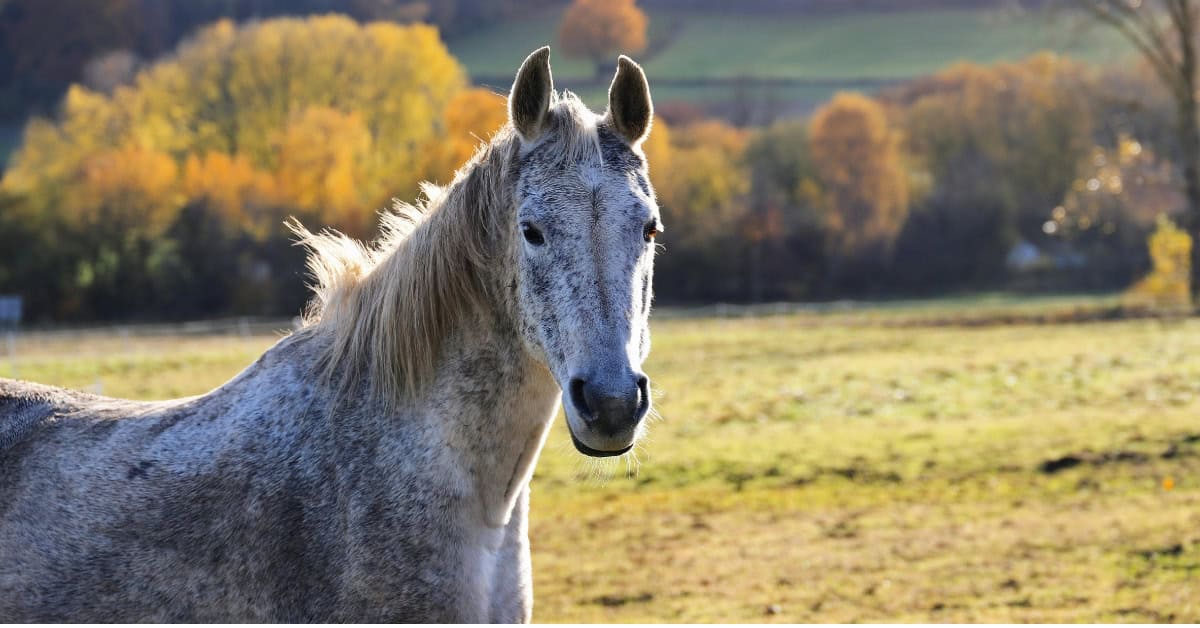
When you think about what keeps your horses healthy, strong, and ready to work or perform, feed is one of the first things that comes to mind. That is why more barns, farms, and homesteads across North Carolina look closely at what is in their grain and ask specifically for non GMO horse feed.
You hear the terms GMO and Non GMO everywhere now, but it is not always clear what they really mean for your horses and your operation. In this blog, you walk through what Non GMO actually covers, how it connects to equine health and performance, and why pairing it with fresh, locally milled feed can make such a difference day to day.
Whether you care for one retired gelding in the backyard, manage a busy show barn, or handle feeding for a mixed herd on a working farm, the feed choices you make affect more than body condition. They shape how safely and consistently you can support energy, behavior, and long term soundness.
The goal here is not to push a trend or claim there is only one right way to feed. Instead, you can use clear, practical information to decide if Non GMO, ionophore free, locally milled feed fits your horses, your values, and the way you like to run your place.

Understanding Non GMO Horse Feed And Why It Matters
What Non GMO Really Means In Horse Nutrition
You see Non GMO on feed tags and bags more than ever, but the term often feels fuzzy. In simple terms, Non GMO means the grains in that feed come from seeds that are not genetically modified in a lab.
For horses, you mostly see this with ingredients like corn, soybeans, and sometimes beet pulp. When a feed is Non GMO, it still goes through normal planting, growing, and harvesting, just without genetically engineered seed varieties.
Non GMO does not automatically mean organic, and it does not mean the feed is free from every possible chemical. Organic has its own strict rules around fertilizers, pesticides, and certification, while Non GMO focuses on the genetics of the seed itself.
For many horse owners, the choice to go Non GMO ties back to a few things, such as peace of mind, a desire for simpler ingredient lists, and a wish to keep their feed program close to traditional grain. Owners often want feed that feels as familiar and straightforward as possible.
Common misconceptions often sound like this:
- Non GMO means no pesticides at all.
- If it is Non GMO, it must be organic.
- Non GMO feeds never cause digestive upset.
None of those are guaranteed. You still need to look at the full formula, the quality of the ingredients, and how fresh the feed is when it reaches your barn.
At the end of the day, Non GMO is one part of a bigger picture. You still want the right protein level, fiber sources, vitamins, and minerals that match what your horses do each day, from light trail riding to hard performance work.
The Role Of Grain Quality And Freshness In Equine Health
You can pick the perfect formula on paper, but if the feed sits for months before you pour it into a bucket, the quality drops. Vitamins break down, fats can start to turn, and the feed does not support your horses as well as it should.
Freshly milled feed tends to hold its aroma, texture, and nutritional strength. Horses often clean up fresher feed more readily, which helps maintain consistent intake and a stable digestive routine.
That consistency matters for:
- Coat condition and shine
- Steady weight and topline
- Energy levels that feel even instead of up and down
- Hoof quality and growth
Local feed mills have a big advantage here. When you work with a mill within a short drive of your farm, the time from milling to feeding usually shrinks.
For small farms and homesteads, that might mean picking up feed that was milled just days before. For larger barns that get bulk deliveries, it often means scheduled runs that keep fresh product cycling through regularly.
Fresher feed also helps you worry less about clumping, mold risk, or off smells from bags that sat too long in a hot warehouse. You still need proper storage, but you start from a stronger place when the product is new.
Health And Performance Benefits Of Non GMO Horse Feed
Supporting Gut Health, Metabolism, And Overall Condition
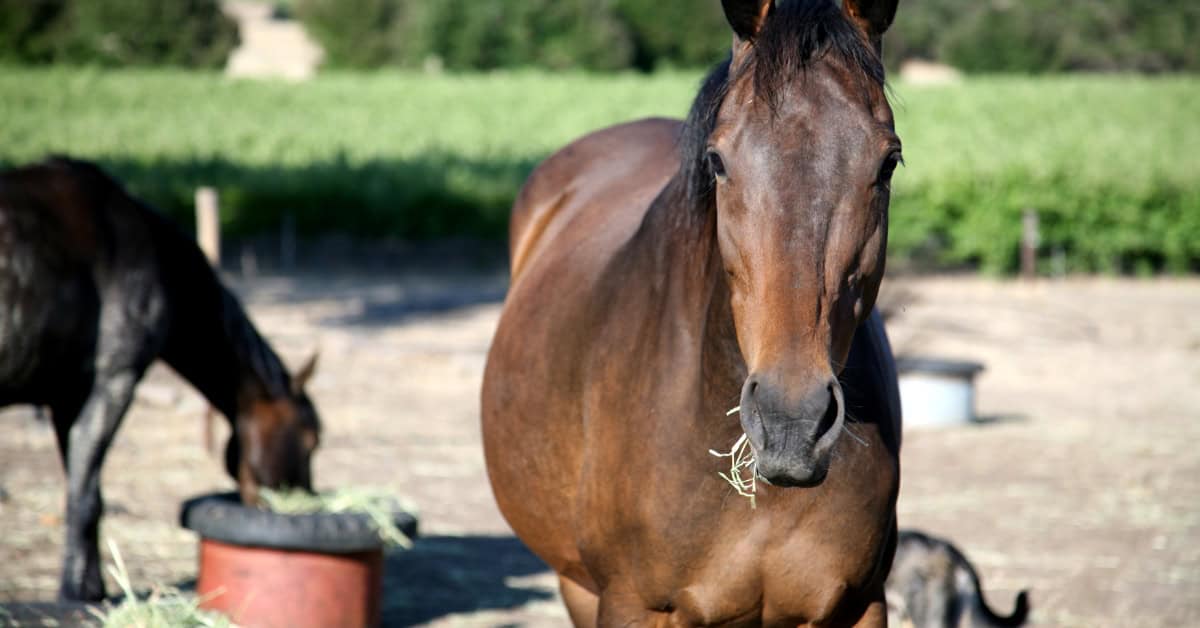
Your horse’s gut is the engine that keeps everything else going. When you feed clean, consistent ingredients, you support a more stable digestive environment.
Non GMO feeds often appeal to owners who want fewer surprises in the ration. Many like the idea that the grains come from more traditional seed lines that feel familiar and predictable.
A steady ration helps:
- Reduce sudden changes that can upset the hindgut
- Support better nutrient absorption
- Maintain a healthier weight and body condition score
- Keep manure more consistent in texture and frequency
For easy keepers, a well designed Non GMO feed or ration balancer can provide vitamins and minerals without loading them down with extra starch and calories. For hard keepers, a Non GMO formula with the right fat and fiber sources can help build and keep weight without relying on high sugar options.
Owners often notice small but important changes over time. Horses can show more even moods, better focus on the job, and fewer minor off days tied to gut grumbles.
Ionophore Free Feeds And Equine Safety
Alongside the Non GMO conversation, you hear more about ionophore free feeds, especially if you feed multiple species on one farm. Ionophores are feed additives used in some cattle and poultry rations to improve efficiency and support herd health.
For horses, ionophores are toxic. Even a relatively small amount can cause serious health problems, so you never want them anywhere near equine feed.
If you keep:
- Cattle and horses
- Poultry and horses
- Hogs and horses
you already juggle different feeds on the same property. Mistakes can happen quickly if a horse gets into the wrong bin or a mislabeled bag.
Choosing ionophore free horse feeds adds a layer of protection. When the feed comes from a facility that treats equine safety as non negotiable, you lower the risk of cross contamination and mix ups.
This matters even more in busy environments like boarding barns, training facilities, or large farms where different people handle feed at different times of day. A clean, clearly labeled, ionophore free equine line helps everyone stay on the same page.
Performance Horses: Energy, Focus, And Recovery
Performance horses work hard for a living. They jump, spin, run patterns, gallop, and travel to shows, and your feed program needs to match that workload.
Non GMO feed can support that performance when the formula gives you:
- Digestible energy from grains and quality fiber
- Balanced amino acids for muscle repair
- Key minerals and electrolytes for hydration and nerve function
- Added fat for cool, steady energy
Many trainers want feeds that fuel performance without making horses hot or unpredictable. A well structured Non GMO feed can deliver energy in a more controlled way, especially when it leans on fat and fiber rather than heavy sugar and starch.
Recovery matters just as much as output. When horses get the right nutrients before and after work, they tend to bounce back faster, hold their topline, and stay ready for the next ride or class.
Over a full season, that consistency can be the difference between horses that finish strong and horses that fade when the schedule gets busy. For show barns, lesson programs, and competitive riders, a predictable Non GMO ration can be a key part of that long game.
If you want to refine your program with fresh, locally milled, Non GMO horse feed, Mule City Specialty Feeds is ready to help you sort through the options.
We offer free local delivery on select bulk orders and custom feed blend consultations so your ration fits your horses and your operation, not the other way around.
You can call Mule City Specialty Feeds at (919) 894 3626 or get in touch online to talk through what you feed now, what you want to improve, and how the team can help you build a program that feels right for your horses and your barn.
Why Local, Non GMO Horse Feed Matters For Different Types Of Operations
Local Farmers And Ranchers: Balancing Cost, Convenience, And Care
If you run a small or mid size farm, you probably juggle a lot at once. You care for horses, manage fields, and maybe handle cattle, goats, or poultry on the same property.
Feed choices sit at the crossroads of cost, convenience, and animal care. Non GMO horse feed can still fit that balance when you pair it with fresh product from a local mill that understands your realities.
The advantages look like this:
- Shorter haul times for pickup or delivery
- Fewer days between milling and feeding
- Local staff who understand regional forage and weather patterns
- The option to ask real people about ingredient choices
For mixed herds, you may also want to limit confusion in the feed room. Clearly labeled, ionophore free horse feeds help keep equine rations separate from cattle or poultry feeds that might use different additives.
You can also build a feed program that supports the entire operation. Some farms use Non GMO for horses and specific groups of cattle or poultry, while others choose Non GMO only for the equine side. The key is that you understand your choices and how they affect both your animals and your budget.
Performance Barns And Boarding Facilities: Consistency At Scale
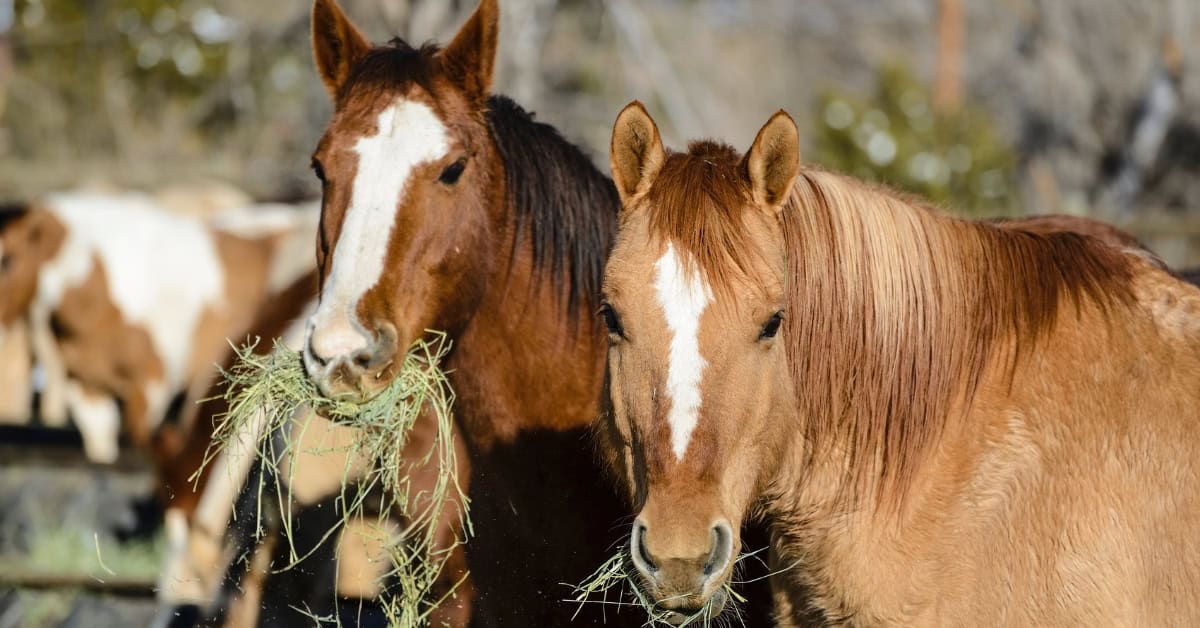
In a busy boarding barn or training facility, consistency becomes your best friend. Horses come and go, but you want the feed program to stay steady and reliable.
Non GMO horse feed helps when it is produced the same way, batch after batch, so each new load feels familiar to both you and the horses. That predictability supports training plans and makes it easier to identify what is actually changing when a horse’s behavior or condition shifts.
For barns that handle many horses, some in hard work and others in light work, you often need a small group of feeds that work together. You might choose:
- A performance Non GMO feed for the hardest workers
- A moderate formula for lesson horses or average keepers
- A ration balancer or low calorie option for easy keepers and ponies
Bulk delivery, pallet orders, and regular schedules help you keep feed flowing smoothly. When your supplier understands the size and rhythm of your operation, they can help you avoid running low before a big show weekend or a stretch of bad weather.
Good records make a big difference. When you know what each horse eats and that the feed itself stays consistent, your vet, trainer, and farrier all have better insight into how nutrition ties into soundness and performance.
Homesteaders And Backyard Horse Owners: Aligning Feed With Your Values
If you keep horses at home, you probably see them first thing in the morning and last thing at night. You pay close attention to what you feed because those horses are part of your daily life, not just part of a business.
Many homesteaders like Non GMO feed because it lines up with how they think about food for their families as well. They may already grow a garden, raise chickens, or buy local produce, so Non GMO horse feed feels like a natural extension of that lifestyle.
For small setups, the priorities often look like:
- Safe, equine focused formulas
- Simple, clear ingredient lists
- Fresh feed in manageable quantities
- The ability to ask questions and get straight answers
You might feed only one or two horses, but your standards are high. Local, Non GMO feed gives you a way to match your values with real world nutrition that still respects your budget and storage space.
Retailers, Co Ops, And Tack Shops: Meeting Customer Demand
If you run a feed store or co op, you hear the shift in customer questions every week. More people ask about Non GMO, ionophore free, and locally milled options, especially for horses.
Stocking Non GMO horse feed lets you answer those questions with confidence instead of sending people to a national chain or an online supplier. You become a resource, not just a place to pick up a bag.
Your customers want:
- Clear labeling on the bag and the tag
- Honest information about where the feed comes from
- Consistent supply so they can stick with the same product
- Reasonable price points that still feel accessible
When you partner with a regional mill that understands horses and the local hay situation, you can explain how the feed fits into a complete ration. That kind of guidance builds loyalty and keeps horse owners coming back for more than just grain.
Large Operations: Logistics, Bulk Delivery, And Custom Formulas
For large agricultural operations, feed decisions often feel like pure logistics. You handle trucks, bins, augers, schedules, and budgets, all while keeping multiple species healthy and productive.
If horses are part of that picture, their nutritional needs stand apart from the rest of the herd. Non GMO, ionophore free horse feed helps you clearly separate equine rations from cattle, hog, or poultry feeds that use different strategies and additives.
In big operations, feed programs focus on:
- Bulk delivery that matches bin capacity
- Reliable schedules that avoid last minute scrambles
- Consistent batches that perform the same way over time
- Clear separation between equine and non equine feeds
Some large farms also explore custom formulations for specific groups of horses, such as broodmares, young stock, or high performance animals. When those formulas are Non GMO, they can still align with broader company values or branding around clean food systems and responsible production.
With the right planning, you can support efficiency on the business side and still give your horses a ration that respects their unique biology and your standards for safety.
How To Choose The Right Non GMO Horse Feed
Reading Feed Tags And Asking The Right Questions
Choosing Non GMO horse feed starts with the tag. That small panel on the bag tells you what you really need to know.
Key things to look for include:
- Clear mention of Non GMO, if the feed makes that claim
- A statement that the feed is safe for horses or equine specific
- A guaranteed analysis with protein, fat, fiber, and key minerals
- A list of ingredients in order of inclusion by weight
You can also ask your supplier or mill about:
- Where they source their grains
- How often they mill and deliver to your area
- Whether their equine line is ionophore free
- How they handle quality control and testing
When someone can answer those questions directly and plainly, it builds trust. You can feel more confident about putting that feed in your horses’ buckets every day.
Matching Feed Types To Your Horse And Operation
Not every horse in your barn needs the same feed. A senior pasture buddy does not need the same program as a high powered barrel horse or a growing yearling.
Think about each horse in terms of:
- Age
- Workload
- Body condition
- Metabolic risk, such as easy keeper tendencies or insulin concerns
For example:
- Light work adults might do well on a moderate Non GMO textured or pelleted feed plus good hay.
- Hard working performance horses might need a higher fat Non GMO formula with more calories per pound.
- Easy keepers may only need a Non GMO ration balancer plus forage.
You can also consider feed form. Pellets help reduce sorting and can work well in barns with many horses, while textured feeds can appeal to picky eaters and help you visually identify ingredients in the mix.
When in doubt, you can involve your veterinarian or an equine nutritionist. They know your hay, your climate, and your horses, and they can help you fine tune the program around a solid Non GMO base.
Transitioning Safely To A Non GMO Feed Program
Once you pick a Non GMO feed, the next step is switching without upsetting your horses’ digestion. The gut likes routine, so you want to make changes slowly and deliberately.
A typical transition might look like:
- Days 1 to 3, seventy five percent old feed and twenty five percent new feed
- Days 4 to 6, fifty percent old feed and fifty percent new feed
- Days 7 to 9, twenty five percent old feed and seventy five percent new feed
- Day 10 and beyond, one hundred percent new feed
During that shift, keep an eye on:
- Manure consistency
- Appetite and eagerness at feeding time
- Energy level and attitude
- Any signs of gas, discomfort, or mild colic
For barns with many horses, you may want a written plan and a simple chart in the feed room. Clear notes help everyone measure the right mix each day and avoid accidental jumps in the schedule.
If a horse has a known history of digestive sensitivity, you can stretch the transition out even longer. It is better to take two weeks and have a smooth change than rush and deal with avoidable gut stress.
With a thoughtful approach, you can move your barn or farm onto a Non GMO feed program in a way that supports health, performance, and your long term goals for how you care for your horses.

How Local, Non GMO Feed Supports Your Horses And Your Operation
Healthier Horses, Stronger Barns
When you choose Non GMO, ionophore free feed that is milled close to home, you support more than just a label on a bag. You give your horses fresher nutrition, steadier energy, and a cleaner, simpler ration that fits how you like to manage your place.
Across small farms, performance barns, homesteads, and large operations, that choice helps you build more consistent routines, fewer surprises, and healthier horses over the long haul. You are not chasing every trend, you are picking a feed program that matches your values and your day to day reality.
How Mule City Specialty Feeds Supports Different Types Of Horse Owners
If you are a local farmer or rancher, Mule City Specialty Feeds understands you need reliable feed that respects your budget and your schedule. The team supports you with fresh, locally milled options that fit mixed herds and real working conditions.
If you run a performance barn, Mule City knows you care about consistency, clean ingredients, and equine safe formulations. The focus on Non GMO, ionophore free feeds helps you keep your horses ready for the next ride, haul, or show.
For homesteaders and backyard horse owners, Mule City respects that your horses feel like family. The mill takes pride in offering locally milled, Non GMO options that line up with how you already think about food, land, and community.
If you operate a feed store or co op, Mule City helps you answer the growing demand for fresh, regional, Non GMO horse feed. You can stock products you trust and give your customers clear, honest information about what they are buying.
For large operations, Mule City works with you on logistics, bulk feed delivery, and consistent, science backed nutrition that keeps your horses clearly separated from cattle, hog, or poultry rations. You receive straightforward support that respects your scale and your time.
Next Steps For Your Non GMO Horse Feed Program
If you want to refine your program with fresh, locally milled, Non GMO horse feed, Mule City Specialty Feeds is ready to help you sort through the options.
We offer free local delivery on select bulk orders and custom feed blend consultations so your ration fits your horses and your operation, not the other way around.
You can call Mule City Specialty Feeds at (919) 894 3626 or get in touch online to talk through what you feed now, what you want to improve, and how the team can help you build a program that feels right for your horses and your barn.