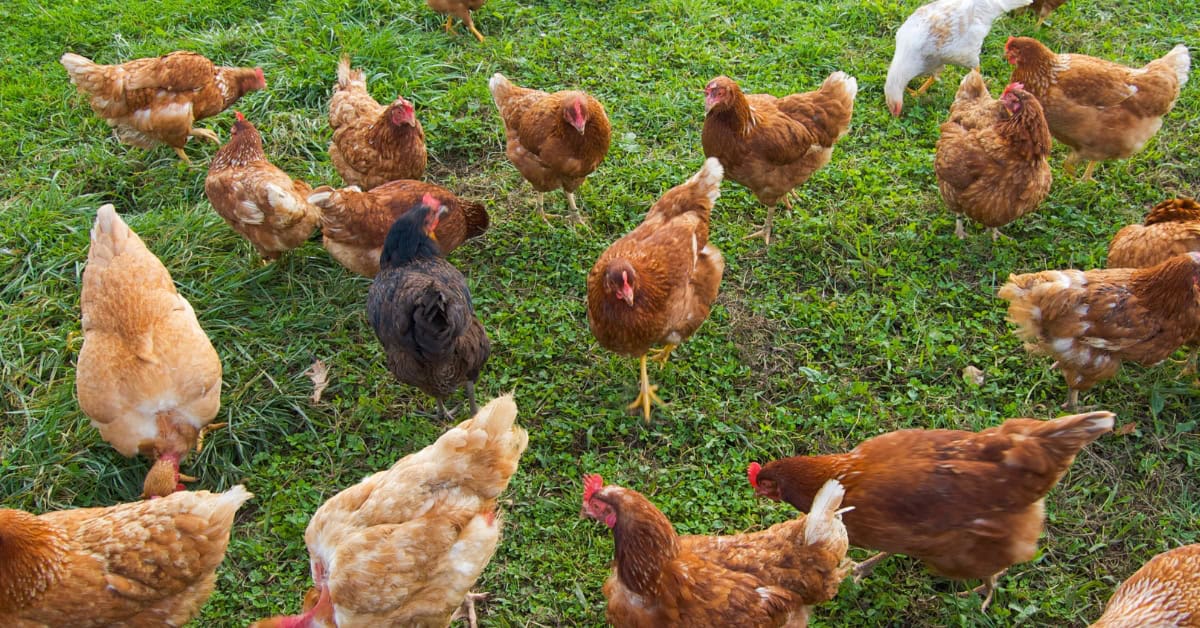
When USDA organic chicken feed arrives in your area, it can change what you can offer your birds in a big way. If you care about clean ingredients, stronger birds, and a local supply you can trust, this new option gives you a path you probably wished you had years ago.
For a long time, you have had to choose between convenience and values. Maybe you bought whatever feed you could get quickly, or you paid extra to truck organic bags in from far away and hoped they were still fresh when they reached your farm.
But finding USDA organic chicken feed at your local mill, means freshness, consistency, and people who know your operation by name. You can finally find certified organic ingredients and a clear standard for what goes into your flock, without giving up that small town, practical approach you rely on every day.
In this blog, you see what USDA organic actually means in a bag of chicken feed, how it affects your birds, and where it fits for different types of farms.
Whether you run a busy poultry operation, manage a mixed livestock farm, stock a feed store, or keep a small backyard flock, you come away with clear, useful information to help you decide if organic feed fits your goals.
Why USDA Organic Chicken Feed Is A Big Deal For Local Flocks
What USDA Organic Really Means For Your Chickens
The word organic on a bag sounds nice, but USDA organic comes with real rules behind it. When a chicken feed carries that seal, every grain, mineral, and oil in the formula must meet strict federal standards.
You work with ingredients that follow clear guidelines, not just marketing words. Those standards cover how crops grow, how they are stored, and how the mill handles them from start to finish.
USDA organic feed uses ingredients such as:
- Certified organic grains and oilseeds
- Crops grown without synthetic pesticides or herbicides
- Ingredients that are not genetically modified
- No synthetic growth promoters or unapproved additives
The process also includes traceability from field to bag. If someone checks a bag, they can follow the ingredients back to the farms that grew them.
That kind of oversight takes more work, but it provides real confidence about what goes into your birds every single day. Over time, that steady standard matters more than any single feeding.
Health And Performance Benefits You Can See In The Coop
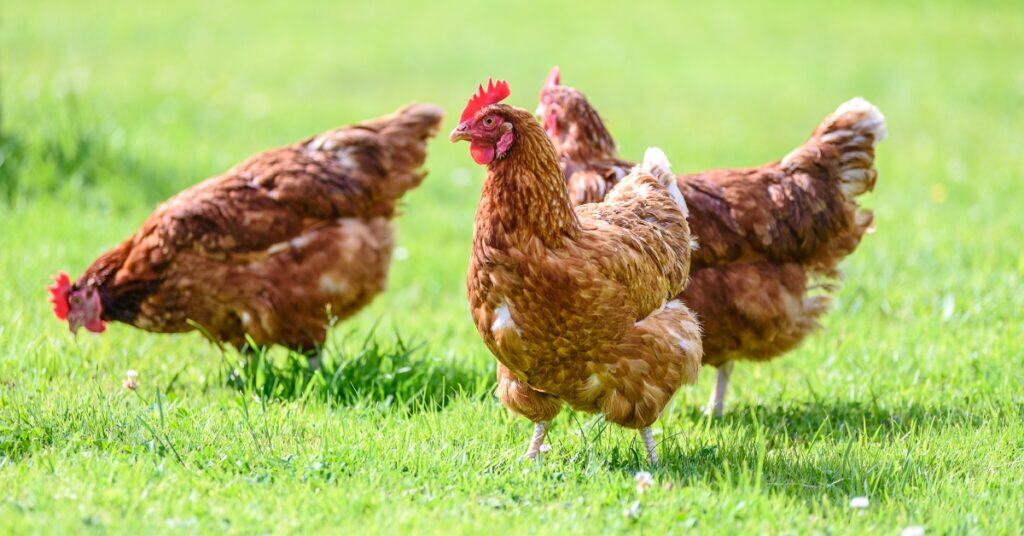
You notice the quality of a feed in the birds before you see it on any label. When you give a balanced organic ration, you support the whole bird from the crop to the eggshell.
Healthy birds send daily signals that the feed program works. You see it in:
- Steady, reliable egg production once hens mature
- Strong shells that crack cleanly instead of crumbling
- Bright combs and wattles with good color
- Clean, well kept feathers that hold their shine
- Active, curious behavior in the coop and yard
For meat birds, you focus more on growth, finish, and leg soundness. A complete organic feed supports muscle gain while keeping the frame and joints strong, which matters a lot as birds put on weight.
You also lower day to day exposure to chemical residues from conventional crop sprays. That difference may feel small in one feeding, but it adds up over months of steady intake across the whole flock.
Many farmers also notice how a consistent, nutrient dense ration helps during heat stress, cold snaps, or times of higher parasite pressure. A stronger bird can handle rough stretches better, which makes your job easier in the long run.
Comparing Organic, Non GMO, And Conventional Feeds
Most producers sort feed into three main categories in their mind, conventional, Non GMO, and organic. Each lane has a place, but they follow very different rules.
Here is a simple way to look at the three options.
Conventional feed:
- May use grains from genetically modified crops
- Often relies on fields treated with synthetic herbicides and pesticides
- Usually has the lowest cost per bag
- Works for operations that must focus mainly on cost and volume
Non GMO feed:
- Uses grains that are not genetically modified
- Can still come from fields treated with some synthetic sprays
- Often costs more than conventional but less than certified organic
- Fits farms and families that want to avoid GMOs but do not need full organic rules
USDA organic feed:
- Uses Non GMO ingredients by definition
- Requires certified organic crops with tight rules on fertilizer and pesticide use
- Follows strict record keeping and inspections
- Sits at the highest level for ingredient oversight and farming practices
So every organic feed is Non GMO, but not every Non GMO feed is organic. You decide where you fall based on your budget, your customers, and your own comfort level with farm inputs.
If you sell eggs or meat, organic feed can open doors to new price points and markets once you align it with the right certifications and labels.
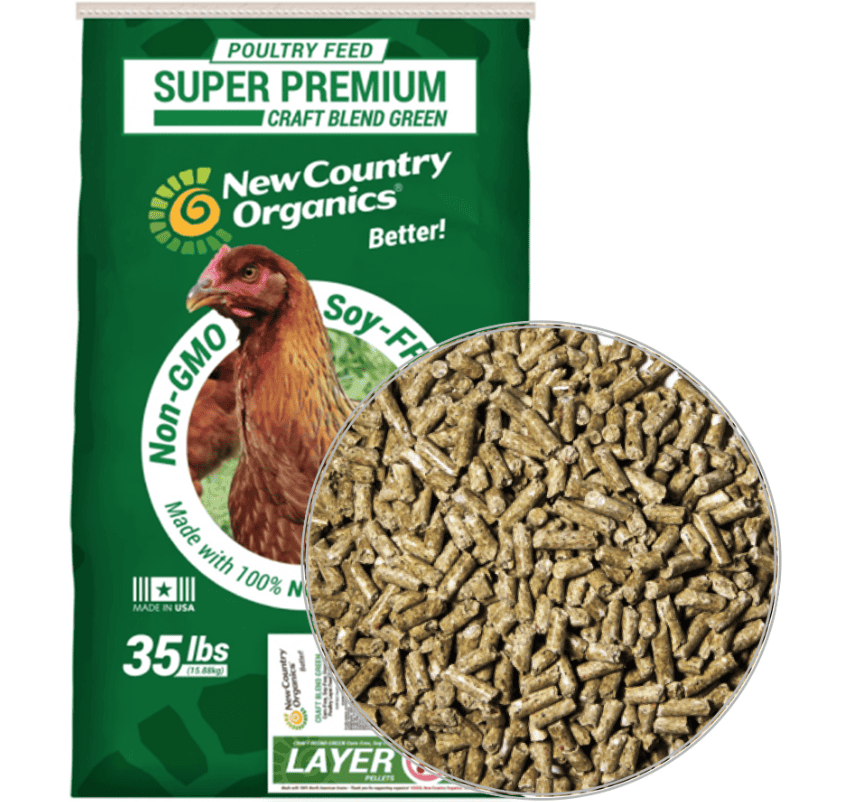
Mule City Specialty Feeds offers New Country Organics Chicken Feed so you can have the peace of mind that comes from a tighter feed standard.

Mule City Specialty Feeds helps you sort through which USDA organic chicken feed fits your birds, your budget, and your long term plans. We offer New Country Organics Chicken Feed.
If you want to explore organic for a backyard flock, a farm brand, retail shelves, or larger barns, our team is happy to walk you through real numbers and practical steps.
We also offer free local delivery on select bulk orders and custom feed blend consultations when you are ready to fine tune your program.
To start the conversation, call Mule City Specialty Feeds at (919) 894 3626. A straightforward talk with people who understand North Carolina agriculture can help you choose the right approach for your flock and your farm.
Inside The New USDA Organic Chicken Feed Option
An Overview Of The New Organic Chicken Feed Line
The USDA organic chicken feed offered through Mule City Specialty Feeds follows the same kind of thoughtful approach the company already uses in its Non GMO and ionophore free lines.
The focus stays on clean ingredients, clear recipes, and formulas that work in real barns, not just on paper.
You can find rations tailored to different stages and types of flocks so birds get what they need at each point in life. Common types include:
- Chick starter for the first crucial weeks
- Grower feed for pullets and developing birds
- Layer feed for hens in full production
- All flock options for mixed age or mixed species setups
- Broiler feed for meat birds that need efficient gain
These feeds rely on certified organic grains and high quality mineral and vitamin packs. Many formulas pay attention to natural protein sources and avoid cheap filler ingredients, which helps support long term health.
Key Ingredients And What They Do For Your Birds
If you read the tag on a quality organic feed, you see more than just vague grain products. The label lists specific ingredients, each with a clear job inside the bird.
Common components include items such as:
- Organic corn or other energy grains that supply calories and warmth
- Organic wheat or barley that add energy and structure to the ration
- Organic soybean meal or other legumes that provide protein and key amino acids
- Calcium sources such as limestone or oyster shell that build strong shells and bones
- Vitamin and mineral premixes that support immune function and metabolism
Some organic feeds also use extras that support overall health beyond basic nutrition. Examples include:
- Flax or similar seeds that supply helpful fatty acids and support feather quality
- Kelp meal that provides trace minerals and supports thyroid function
- Probiotics or yeast culture that support gut health and digestion
For you, the most important concept is balance. Birds need protein, energy, minerals, and vitamins in the right ratios, and they need that mix in every scoop, not just once in a while.
A well built organic feed aims to hit those targets while keeping the ingredient list simple and transparent. That clarity about what your birds eat each day makes it easier to spot gaps, troubleshoot issues, and adjust your program over time.
How Organic Feed Fits Different Types Of Operations
Every operation has its own reality and pressure points. A backyard flock on a small lot does not face the same choices as a fifty house poultry complex or a regional feed store serving several counties.
This new USDA organic chicken feed can sit in different roles depending on who you are and what you manage. It does not need to be an all or nothing decision to have value.
- For local farmers, organic feed can support special egg or meat lines that bring premium prices at markets or through direct sales. Some producers feed organic to their highest value poultry while keeping other flocks on Non GMO or conventional rations that match contract needs.
- Backyard producers often use organic feed to feel confident about what goes into family eggs and meat. Many already invest time in gardening, composting, and low chemical living, so organic feed simply brings the flock into that same circle.
- For large poultry and mixed operations, organic feed can live alongside established programs. You might use it for specialty flocks, branded product lines, or a few trial houses to gather performance data without changing the entire system.
- Feed retailers and resellers can use organic chicken feed to serve a wider range of customers. When a store stocks true USDA organic options from a regional mill, that store becomes a more important partner for those needing fresh, organic chicken feed.
Integrating Organic Feed Into Your Current Program
A good shift to organic feeds feels steady, not sudden or stressful. Your birds appreciate a gradual change, and your budget and inventory planning do as well.
When you move a flock to organic feed, you can use a simple step down approach. Many producers blend the new feed with the current ration and then increase the organic portion over time.
A common process looks like this:
- Start with about one quarter organic feed mixed with three quarters of the current ration
- Watch how birds eat and behave for a few days while you hold that blend
- Move to a half and half mix once birds clean up the feed normally
- Shift to three quarters organic and one quarter old ration as long as birds stay steady
- Finish at one hundred percent organic feed once the flock adjusts
You also want to protect your investment in higher quality feed. Store it in a dry, cool, rodent proof space, preferably off the floor on pallets or racks so air can move.
Good storage habits help you maintain vitamin and fat quality and reduce the risk of mold growth in sticky summer weather. They also keep fine particles from settling in a way that encourages birds to sort and leave valuable nutrients in the bottom of the feeder.
As you change the ration, keep a close eye on several simple indicators. Watch egg numbers and shell strength, body condition, litter and manure, and general flock behavior and activity level.
If something looks off, you can slow the rate of change or speak with your nutrition partner at Mule City Specialty Feeds about adjustments. Over a few weeks, most flocks settle in and show clearly how the new organic feed supports their daily work in the coop and on pasture.
How Local Organic Feed Supports Your Whole Operation
Supporting Small Farms
When you switch to USDA organic chicken feed from a local mill like Mule City Specialty Feeds, you keep your operation practical and still raise your standards. You protect your birds, your soil, and your family table without turning chores into a science project.
If you run a small farm or homestead, this feed lets you match your poultry program with the rest of your life. You already care about fresh food, clean inputs, and local relationships, and now your flock can fit that picture as well.
You also gain something less obvious, a clear story to tell at the farmstand, the market booth, or the kitchen table when someone asks how you care for your birds. When your hens scratch through organic rations from a nearby mill, you do more than fill a feeder.
You support your community and keep your flock tied to the same countryside you work every day. That connection matters to many families and customers, especially across North Carolina and the broader Southeast.
Solutions For Retailers And Larger Operations
If you run a feed store, co op, or regional farm supply, organic chicken feed gives you a new tool to serve a wider range of customers. You can stock reliable USDA organic options that small farms and specialty producers already search for in your area.
For large poultry and mixed operations, organic feed can live alongside your existing programs. It can support specialty flocks, branded product lines, or trial groups without disrupting the rest of your system.
With a regional producer like Mule City Specialty Feeds behind you, you maintain consistent supply, bulk handling, and science backed nutrition. In that role, organic feed becomes a smart tool that helps you adapt to market demands and customer expectations.
Talk With Mule City Specialty Feeds About Organic Feed For Your Flock
You do not have to figure all of this out by yourself. Mule City Specialty Feeds helps you sort through which USDA organic chicken feed fits your birds, your budget, and your long term plans. We offer New Country Organics Chicken Feed
If you want to explore organic for a backyard flock, a farm brand, retail shelves, or larger barns, our team is happy to walk you through real numbers and practical steps. We also offer free local delivery on select bulk orders and custom feed blend consultations when you are ready to fine tune your program.
To start the conversation, call Mule City Specialty Feeds at (919) 894 3626. A straightforward talk with people who understand North Carolina agriculture can help you choose the right approach for your flock and your farm.